

Despite the media threw around Bitcoin, the majority of the world's population remains reluctant to embrace the crypto-shad of Satoshi Nakamoto. In 2025, only 4 % of individuals have BTC, mainly concentrated in the United States with 14 % adoption. This situation underlines that the path to massive adoption is still strewn with pitfalls, especially due to technological complexity and persistent negative perceptions.

Bitcoin: Why does no one want to hear about it?
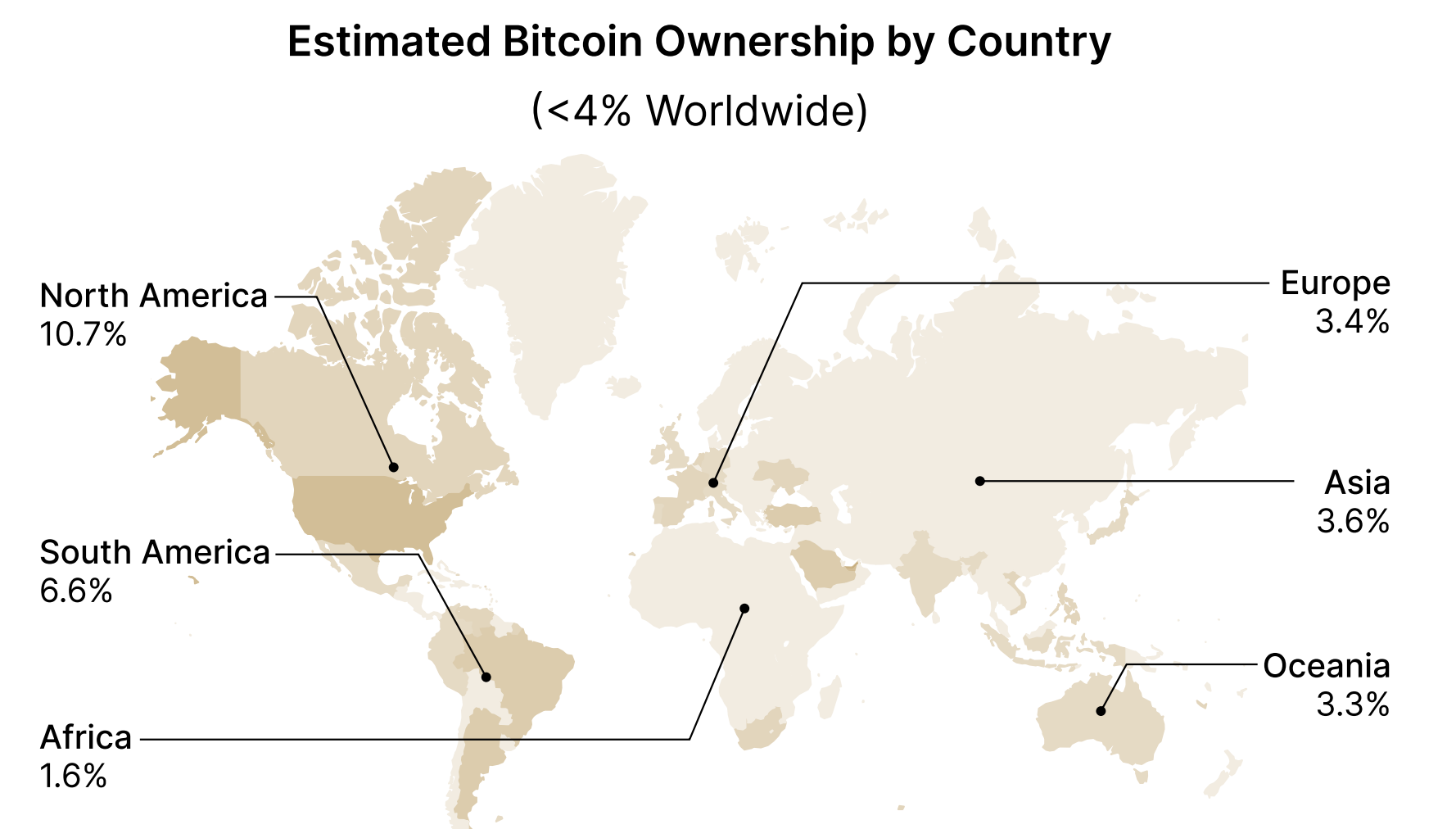
Bitcoin, this digital gold which causes so much ink to flow, struggles to seduce the general public. In 2025, Only 4 % of the world's population holds BTCwith a significant concentration to UNITED STATES Or 14 % Individuals have taken the plunge. On the other hand, theAfrica displays an adoption rate of Only 1.6 %.
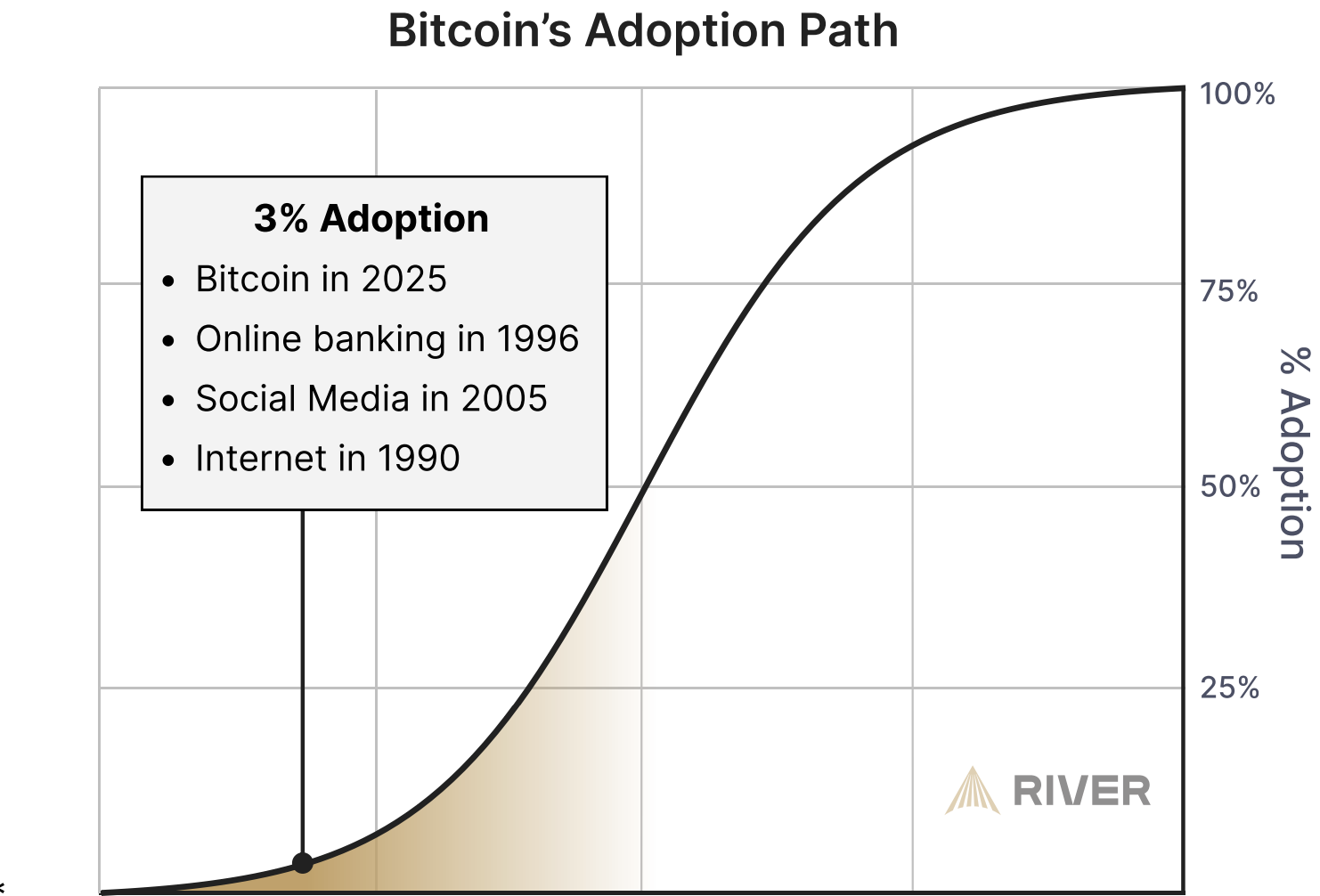
These figures come from a River Financial reportwho believes that Bitcoin has reached that 3 % of its maximum adoption potential.
Several obstacles hamper this massive adoption:
- A lack of financial and technical education, strengthening the idea that the BTC is a scam or a ponzi;
- Strong volatility, which puts off those who consider it as a reserve of reliable value;
- A technological complexity that makes it difficult to access to uninitiated.
As a TFTC21 tweet sums it up:
“” The adoption of Bitcoin is today where the online bank was in 1996 and social networks in 2005. If you think you are late, you are not. »»
But how can we overcome these obstacles so that Bitcoin becomes a universal currency?
Bitcoin everywhere? Not so fast …
The adoption of Bitcoin varies significantly according to the regions of the globe. Developed countries display higher rateswhile the development nations remain lagging behind. This disparity is explained by several factors, in particular Limited access to technology and insufficient financial education.
However, initiatives are emerging to reverse the trend. For example, Salvador adopted Bitcoin as a legal currency in 2021, hoping to stimulate its economy. Despite this advance, adoption by the population remains limited, illustrating persistent challenges.
Furthermore, the Lightning Network growtha second layer solution to improve the scalability of Bitcoin, offers encouraging perspectives. By making the transactions faster and less expensive, this technology could facilitate the adoption of the BTC, especially in the regions where financial infrastructure is low.
As Mario Nawfal points out:
“” Only 4 % of the population have bitcoin in 2025. Would you compare the current adoption of cryptos to that of the Internet in the 90s? We are only at the very beginning! »»
But will these advances be enough to convince skeptics and propel Bitcoin to global adoption?
In short, despite a still limited global adoption, positive signs emerge. For example, the number of active mobile portfolios reached a historic record of 36 million in the fourth quarter of 2024, testifying to an increasing interest in cryptocurrencies.
Maximize your Cointribne experience with our 'Read to Earn' program! For each article you read, earn points and access exclusive rewards. Sign up now and start accumulating advantages.


