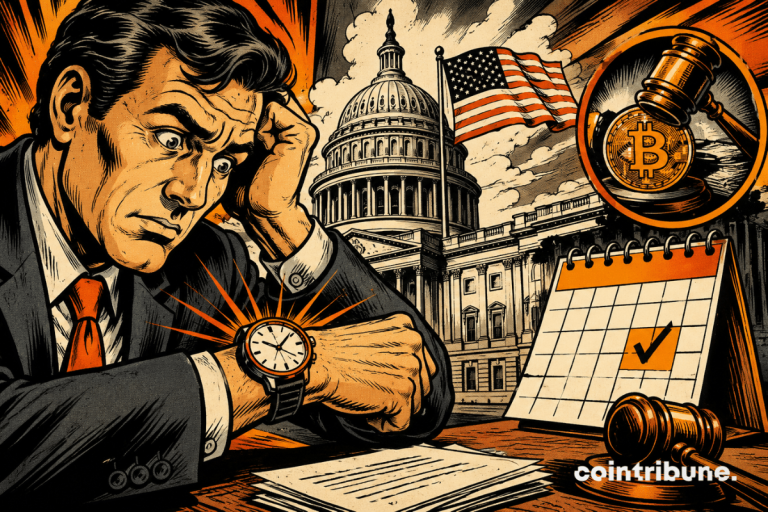
The SEC is preparing to introduce an “innovation exemption” that would provide companies with more flexibility to develop digital assets and emerging technologies. SEC Chairman Paul Atkins said the proposal could be formalized as early as the end of this quarter, despite challenges caused by the ongoing government shutdown.

In brief
- SEC Chairman Paul Atkins says the “innovation exemption” could be formalized by late 2025 or early 2026, despite some delays.
- This exemption aims to establish a clear and innovation-friendly framework for cryptocurrencies and emerging digital technologies.
- Lawmakers are also moving forward on the GENIUS Act, which grants Treasury the authority to develop regulations for stablecoins.
- These new rules on stablecoins should promote their real-world adoption and broader integration into financial systems.
Atkins Reaffirms SEC's Commitment to a Pro-Innovation Framework
Speaking Tuesday at Katten Muchin Rosenman LLP's Futures and Derivatives Law Report event in Manhattan, Atkins said developing the exemption remains a top priority for the agency. He noted that although the shutdown has slowed progress, he expects to move forward by late 2025 or early 2026.
Atkins said years of restrictive oversight have pushed innovation overseas rather than allowing it to thrive in the United States. He emphasized that regulating crypto is the SEC's top priority and that the agency is now working to create a more pro-innovation environment.
The planned exemption is intended to provide clarity to developers and contractors who have long struggled with regulatory uncertainty in the SEC's enforcement-oriented approach.
SEC Considers Formal Regulation as Innovation Exemption Takes Shape
Once obtained, the innovation exemption would mark a significant policy shift. Rather than relying on enforcement or informal guidance, the SEC would establish a formal regulatory process for digital assets, a long-stated demand by the industry.
Atkins acknowledged that the government shutdown delayed progress but said he remained confident the agency could move forward once operations resume. He added that establishing a framework for innovation is one of his top priorities, aimed at making innovators feel welcome to build on American soil.
That's one of the major priorities in trying to make this happen because I want to be welcoming to innovators and make them feel like they can do something here in the United States, so they don't have to flee to a foreign jurisdiction.
Paul Atkins
He noted that the ongoing government shutdown has slowed the SEC's operations. According to the SEC Chairman, only essential functions continue, while regulation, including work on crypto regulations, is currently suspended.
Lawmakers pursue crypto reforms while industry hesitates
Atkins also praised lawmakers' efforts to advance digital asset regulation, highlighting the stablecoin-focused GENIUS Act as a sign of constructive progress. Although the SEC had a limited role in crafting this bill, he says he is optimistic about broader reforms to market structure and believes Congress is moving in the right direction.
However, not everyone at the event shared his optimism. Summer Mersinger, CEO of the Blockchain Association and former commissioner of the Commodity Futures Trading Commission, expressed cautious optimism about the prospects for comprehensive structural market reform.
She said the likelihood of such legislation being passed before the end of 2025 remains uncertain, describing the chances as “better than chance, but far from guaranteed.”
Greg Xethalis, senior legal counsel at venture capital firm Multicoin Capital, said lawmakers deserve recognition for the work already done, even if there is still a long way to go. CoinFund President Chris Perkins expressed doubts about moving forward with the bill in the short term.
Stablecoin Regulation Gains Momentum with GENIUS Act Spurring New Treasury Rules
While broader market rules remain uncertain, the GENIUS Act is already starting to bear fruit. The US Treasury Department has begun drafting new regulations for the stablecoin sector, bringing much-awaited clarity to one of the fastest-growing crypto sectors.
Xethalis said this step could trigger a wave of real development, as clearer rules encourage companies to integrating stablecoins into everyday products and services. He pointed to Visa's integration of USDC into its payment systems as an early sign of consumers' indirect use of crypto.
Now that the rules at Treasury are being written for the GENIUS Act, we're going to see a Cambrian explosion of people actually starting to use these things on a daily basis.
Greg Xethalis
Mersinger added that stablecoins could continue to expand their role in financial markets, including in areas like remittances and collateralized contracts. She said the new regulatory framework could help establish stablecoins as a practical tool for financial institutions and investors.
As the SEC works to finalize its innovation exemption and lawmakers continue to debate digital asset legislation, 2026 is shaping up to be a key year for crypto regulation in the United States. The coming months could define how digital assets, stablecoins and blockchain technology will evolve within the country's financial system.
Maximize your Tremplin.io experience with our 'Read to Earn' program! For every article you read, earn points and access exclusive rewards. Sign up now and start earning benefits.