A cryptocurrency user known as “The Smart Ape” lost approximately $5,000 from a hot wallet during a short hotel stay. No phishing links were opened and no fraudulent sites were visited. On the other hand, a succession of small negligences created the conditions for a delayed drain on the portfolio. According to security researchers, this case illustrates how ordinary actions, both online and offline, can add up and result in a significant loss.

In brief
- A crypto user lost funds after connecting to a hotel's open WiFi, exposing his wallet activity to attackers on the same local network.
- Public conversations about its crypto holdings helped the attackers identify the target and anticipate the wallet configuration, without compromising the provider itself.
- A seemingly innocuous wallet approval granted long-term permissions, allowing funds to be moved several days later without alerting the user.
- Security experts recommend travelers avoid public networks, carefully check wallet approvals, and limit physical exposure of their crypto activities.
Open WiFi and public conversations expose crypto users to attacks
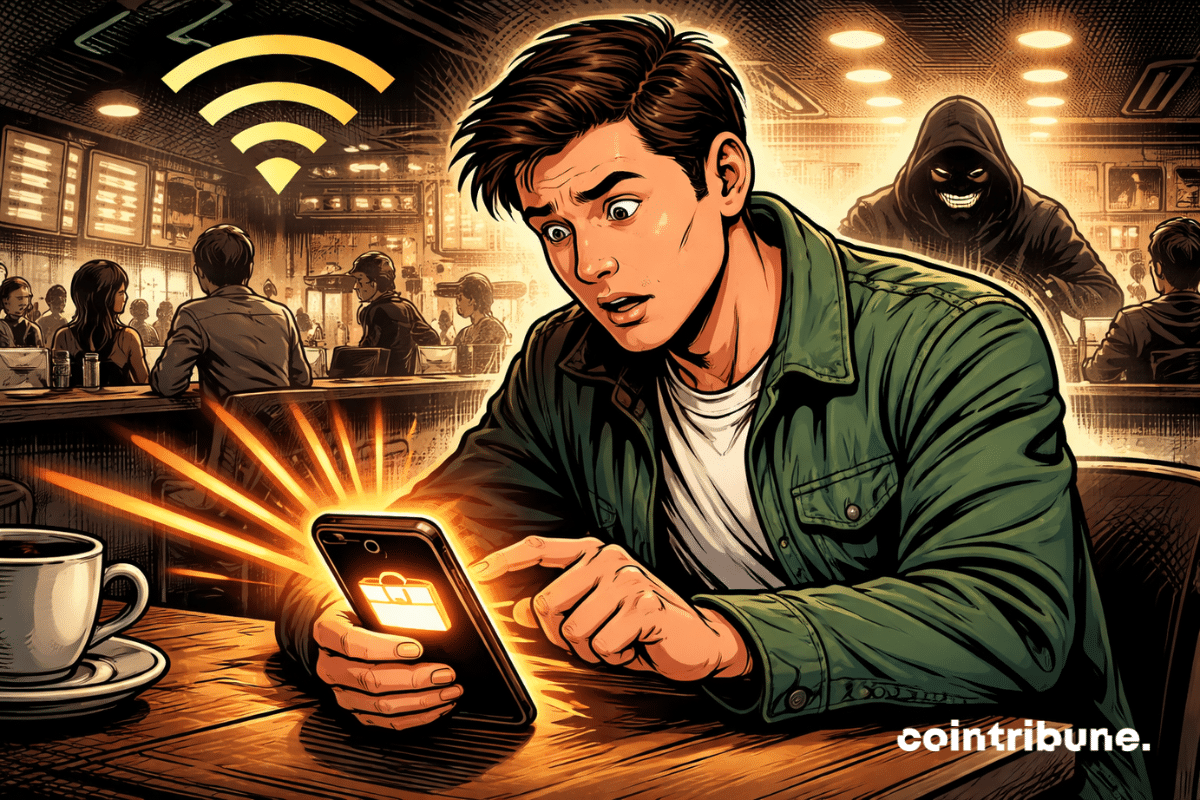
During their trip, the user connected their laptop to the hotel's open WiFi network and continued their usual crypto activities. He spent time on Discord, viewed X, and checked his wallet balances. Nothing seemed abnormal. What remained invisible, however, was that open networks place all connected users in a shared local environment, where traffic can be observed or manipulated.
An analysis conducted by blockchain security firm Hacken showed that attackers can exploit this type of network without ever directly interacting with the wallet software.
Dmytro Yasmanovych, cybersecurity compliance manager at Hacken, explains that open WiFi facilitates attacks such as ARP spoofing, DNS manipulation or the use of malicious access points. These techniques make it possible to inject malicious JavaScript into legitimate sites. Even DeFi interfaces that are deemed reliable can become dangerous when their execution environment is compromised.
The exposure increased later in the hotel lobby. During a phone call, the user openly discussed his cryptocurrency holdings. This discussion provided valuable clues to anyone nearby. Once the target was identified as active in crypto, it became easier for attackers to anticipate the likely wallet configuration. A common combination, Phantom used on the Solana network, quickly caught on. The wallet provider, meanwhile, was never compromised.
Physical alertness remains a weak point among many crypto users. Bitcoin developer and security advocate Jameson Lopp has long warned that talking about one's holdings in public places attracts attention that could lead to targeted attacks.
Yasmanovych points out that many cyberattacks begin with simple observation phases rather than direct technical hacking. Public discussions about crypto can provide enough information to allow attackers to choose the right time, the right tools, and the most effective method of approach.
A wallet emptied after the user signs an authorization on an unsecured network
The key moment came during a token exchange via a legitimate DeFi interface. A wallet request popped up and looked familiar. Instead of requesting an immediate transfer, the prompt requested permission approval, granting lasting access rather than an instantaneous movement of funds.
This pattern corresponds to an increasingly common type of attack known as trust abuse. Attackers are not necessarily looking to steal assets immediately. They first collect permissions and then exploit them later, when victims are less likely to connect the operation to the initial action.
Several factors combined to make the attack possible:
- Connecting to an open, unsecured hotel WiFi network.
- Sharing local network with unknown users.
- Public discussions about crypto assets in a common space.
- Using DeFi applications on an exposed device.
- Approving a wallet request without thorough verification.
The funds were not moved until after the hotel had left. Solana tokens as well as NFTs were transferred to another address. When the suspicious activity was finally detected, the wallet balance had already fallen to zero.
The losses were limited by the fact that the wallet concerned was a secondary hot wallet. Despite this, the incident demonstrates how little effort it takes to empty an account. No malware was installed, no fraudulent interfaces were used and no seed phrases were disclosed. An unsecured network, lack of attention and simple approval was enough.
Security experts recommend treating all public networks as potentially hostile. Using a reliable mobile hotspot or VPN helps reduce exposure, especially when traveling. Wallet activities should be limited to up-to-date devices, with a minimal number of browser extensions.
Spreading funds across multiple portfolios can also limit the extent of losses, while regular review and removal of unused approvals reduces long-term risks. Finally, physical discipline remains essential. It is strongly recommended to avoid discussing your assets or the configuration of your portfolios in public places, especially far from your usual environment.
Maximize your Tremplin.io experience with our 'Read to Earn' program! For every article you read, earn points and access exclusive rewards. Sign up now and start earning benefits.