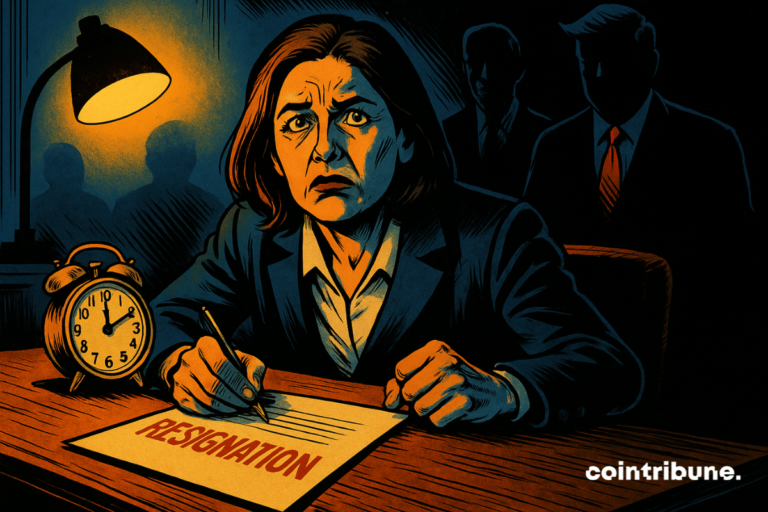
A prediction market on the fate of an American pilot who disappeared in Iran causes a scandal. Polymarket withdraws it under pressure, while the United States prepares strict regulations against these controversial bets. Analysis of a debate which opposes innovation and ethics.

In brief
- Polymarket cancels a controversial deal on the rescue of a missing American pilot in Iran, causing a political and media outcry.
- Seth Moulton denounces disgusting speculation on human lives, also pointing out the risks of conflicts of interest.
- The United States is considering strict regulation to ban betting on tragedies, calling into question the future of prediction markets.
Polymarket withdraws deal on fate of missing American pilot
Polymarket recently removed a prediction market related to the rescue of a US service member, whose plane was shot down over Iran. This market, where more than 60% of users were betting on the failure of relief operations before Saturday, caused a public outcry. US Representative Seth Moulton called the practice disgusting, recalling that human lives should not be the subject of financial speculation.

Polymarket justified its decision to remove this market by citing a violation of its “integrity standards”without specifying which one. This opacity fueled criticism. Indeed, some users and observers point out a lack of transparency in the rules applied by the platform. Although designed to exploit the “wisdom of crowds”these markets today raise fundamental questions. Where do we draw the line between innovation and respect for human dignity?
The United States wants to put an end to death prediction markets
As Polymarket faces a wave of criticism, the United States plans to ban prediction markets dealing with death or disasters. This desire is part of a context where these platforms are increasingly scrutinized for their role in speculation on dramatic human situations. To this end, Democrats recently called on the CFTC to systematically eliminate these practices to avoid abuse. The risks are multiple:
- Market manipulation;
- Use of non-public information;
- Trivialization of speculation on human lives.
For example, traders would have made profits by betting on American strikes in Iran, a few hours before their occurrence. These activities, often opaque, raise questions about the fairness and transparency of prediction markets. Other countries such as those of the European Union have already put in place strict regulations to limit these abuses. Wouldn't it be better to bet on cryptos like bitcoin? Regardless, the future of prediction markets now appears uncertain.
Polymarket and prediction markets are at a critical crossroads. Between financial innovation and respect for ethics, their future will depend on their ability to adapt to societal and regulatory expectations. The removal of the market on the American pilot marks a turning point, but the question remains… Should these bets be banned or strictly regulated?
Maximize your Tremplin.io experience with our 'Read to Earn' program! For every article you read, earn points and access exclusive rewards. Sign up now and start earning benefits.