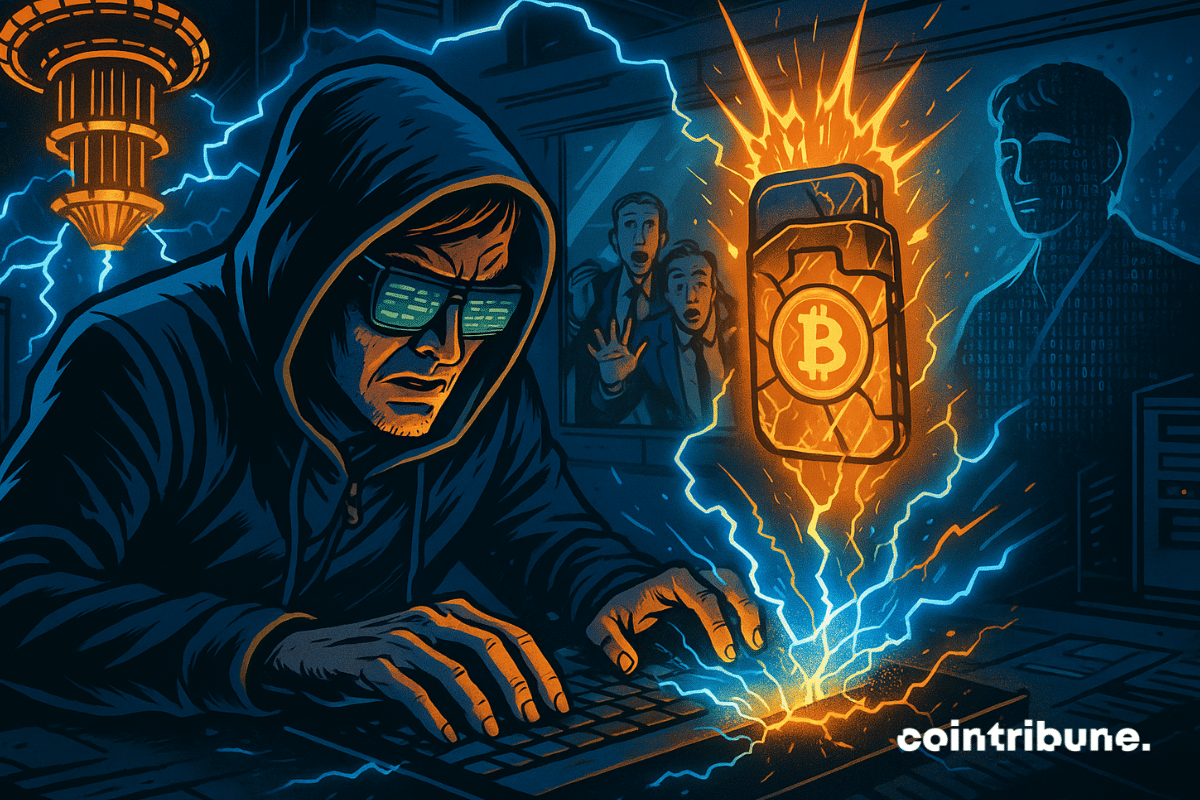
The debate over whether quantum computers could compromise Bitcoin's security has resurfaced, focusing on the possibility that future machines could defeat the encryption protecting some of Bitcoin's oldest reserves, including those linked to Satoshi Nakamoto. This wallet is believed to hold approximately 1.1 million BTC. Experts warn that if these coins were suddenly unlocked and put on the market, it could disrupt supply dynamics and put significant pressure on prices. This renewed discussion reflects concerns about whether Bitcoin's legacy security protocols are strong enough to keep pace with advances in quantum technology.
In brief
- Speculators have suggested that a quantum breach of Satoshi's wallet could push the price of Bitcoin as high as $3.
- Early stage investors could potentially take advantage of such a sudden drop to acquire coins at bargain prices.
Bitcoin faces potential quantum risks
Some speculators have depicted dramatic scenarios to illustrate the potential consequences. A prominent YouTuber, Josh Otten, shared a chart suggesting that Bitcoin could fall as much as $3 if a quantum computer managed to hack Satoshi's wallet and flood the market with the coins. This scenario has garnered intense attention online, sparking debate within the crypto community.
Veteran Bitcoin investor Willy Woo shared that such a steep drop could actually create opportunities for long-term holders. He added that the Bitcoin network itself would likely remain resilient because most holdings are not immediately at risk. Woo explained that around 4 million BTC, including Satoshi coins, are stored in pay-to-public-key (P2PK) addresses. These addresses reveal the full public key during transactions, which could make them vulnerable to future attacks by quantum computers.
Building on this, analysts have clarified that any wallet whose full public key is exposed on the blockchain could theoretically have its private key inferred by a sufficiently advanced quantum computer, highlighting the potential risks for these holdings.
However, newer Bitcoin wallets have been designed with improved protections. These addresses do not expose the full public key, making it much more difficult for quantum computers to access the private key. Nonetheless, the broader cryptocurrency community remains vigilant, aware that advances in quantum computing could pose serious challenges to the security of digital assets in the future.
Expert assessments on timing and risks
Experts largely agree that the threat from quantum computers is not immediate. In September, Tremplin.io reported that Samson Mow, founder of Jan3, acknowledged that quantum computing could eventually compromise the security of Bitcoin, but stressed that this is likely at least a decade away. He also noted that other systems would likely fail before Bitcoin faced serious risk.
Meanwhile, British cryptographer Adam Back pointed out that Bitcoin is unlikely to face a threat from quantum computing in the next 20 to 40 years, noting that there is ample time to implement post-quantum cryptography standards before current encryption can be compromised.
The potential economic impact of quantum computing on Bitcoin was also highlighted by crypto expert James Check. He insisted that the main concern is how quantum computing could affect the market price of Bitcoin rather than the immediate security of the coins. Check also noted that it is highly unlikely that the community will freeze Satoshi's assets before a quantum computer can access its wallets and release these coins into the market.
Maximize your Tremplin.io experience with our 'Read to Earn' program! For every article you read, earn points and access exclusive rewards. Sign up now and start earning benefits.