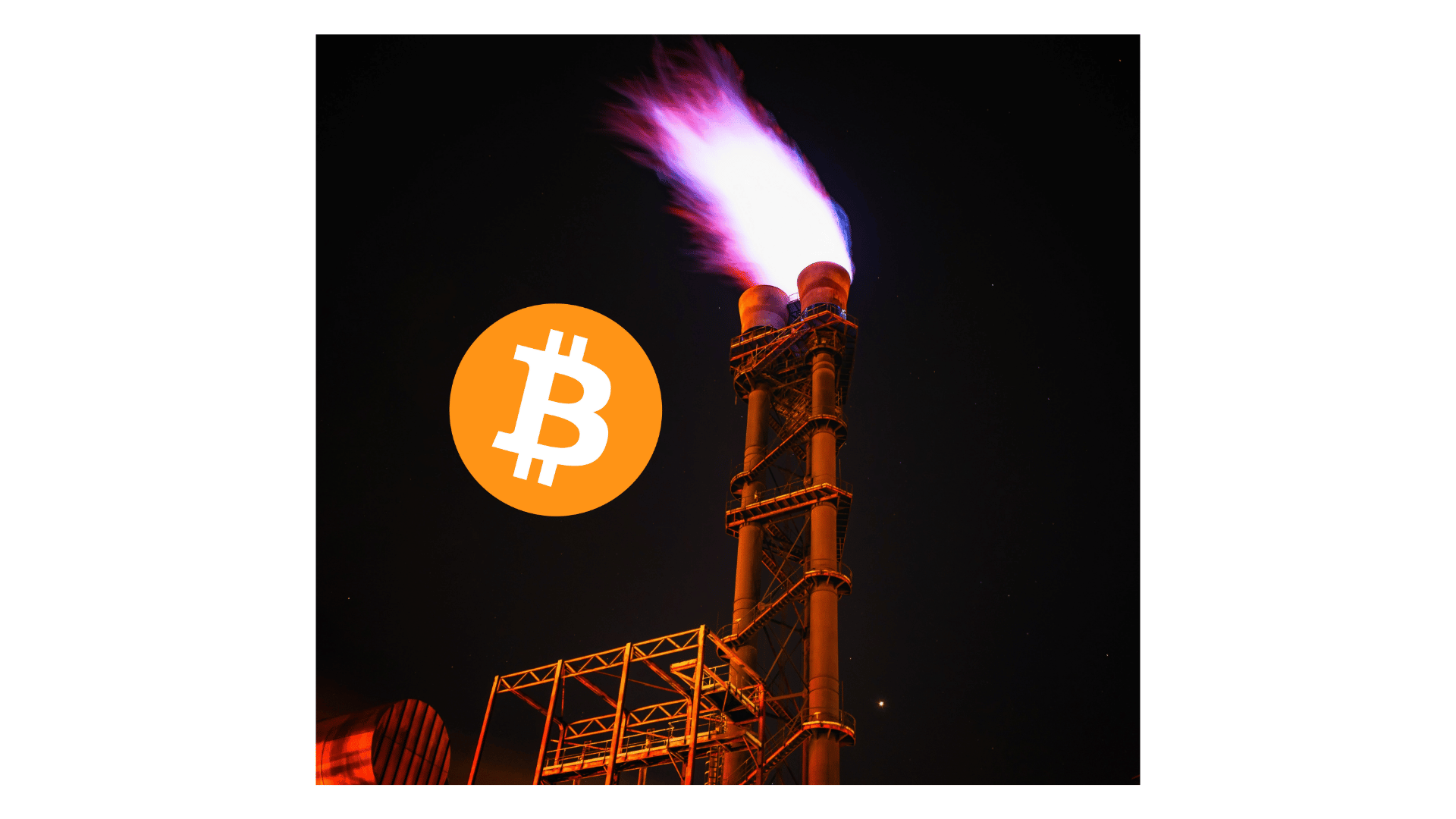
Methane is a waste product from the oil and gas industry. Its combustion is both a waste and a source of pollution for the atmosphere. How can the Bitcoin network help bring value to this untapped methane? Some mining companies are developing new technologies to turn this loss into a resource, thanks to mobile mining modules.
Methane: a gas to be recovered
The United States is one of the largest oil and gas producers in the world. These industries produce large amounts of methane as a by-product. When this gas is present in exploited fossil deposits, it is called landfill methane. Often this excess methane is released into the atmosphere or water, creating harmful and unnecessary emissions. We then generally prefer to burn it: this is the flaring (flaring). But this combustion is not without effect. It in turn emits CO2, another well-known gas that contributes to atmospheric warming.
How can Bitcoin help solve this dilemma? We already know that the blockchain can contribute to the production of decarbonized electricity thanks to solar, wind or even volcanic energy. Bitcoin can indeed allow developing countries to finance their electricity infrastructures while contributing to the decentralized network, thanks to mining (and therefore, to the validation of transactions in a secure way on the network). The same goes for methane. The idea is to use this untapped LNG energy to one’s advantage.
An innovative process
How to capture methane? Several prototypes were developed before arriving at an efficient process that overcame the initial technical challenges. In concrete terms, systems capture the methane before it is flared. For this, we use large turbines that will capture the excess gas. Like a generator, the methane will then be recovered immediately on site, by being directly transformed into electricity. That’s what companies like Vespene Energy or EZ Blockchain in North Dakota, USA. This immediately available electricity powers Bitcoin mining RIGs. To achieve this result, a new generation of data centers has emerged: they are light, mobile, and can thus be deployed quickly on extraction sites.
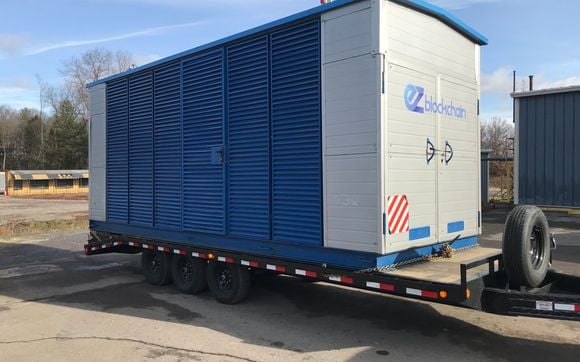
Why is this energy particularly suitable for bitcoin mining? Why couldn’t it be injected into the home network instead? Because the construction of infrastructure dedicated to the distribution of methane is not profitable: the cost of collecting it and moving it is higher than what it can be sold for. While all mining needs is an internet connection. It is therefore a give-and-take operation that allows energy producers to recover their waste while contributing to the decentralized network. While this process is currently mainly used in the United States, other countries such as Mexico are starting to take an interest in it.
Conclusion
Bitcoin is able to use waste gas production to power its network through block mining. Will gas flaring soon be history thanks to blockchain? If it is for the moment a utopia, the valorization of methane suggests good prospects. A form of recycling that could help optimize the use of gas industry by-products while benefiting the crypto ecosystem.
Receive a digest of news in the world of cryptocurrencies by subscribing to our new service of daily and weekly so you don’t miss any of the essential Tremplin.io!