Sam Bankman-Fried was hoping for a miracle, a half-open door, an unexpected political gesture. Nothing came, neither presidential pardon, nor judicial leniency, nor real support from the global crypto-sphere. The former boss of FTX remains locked in a story that no longer convinces anyone today. The crypto market is observing this slow, almost clinical descent, where each attempt seems to worsen its personal situation.
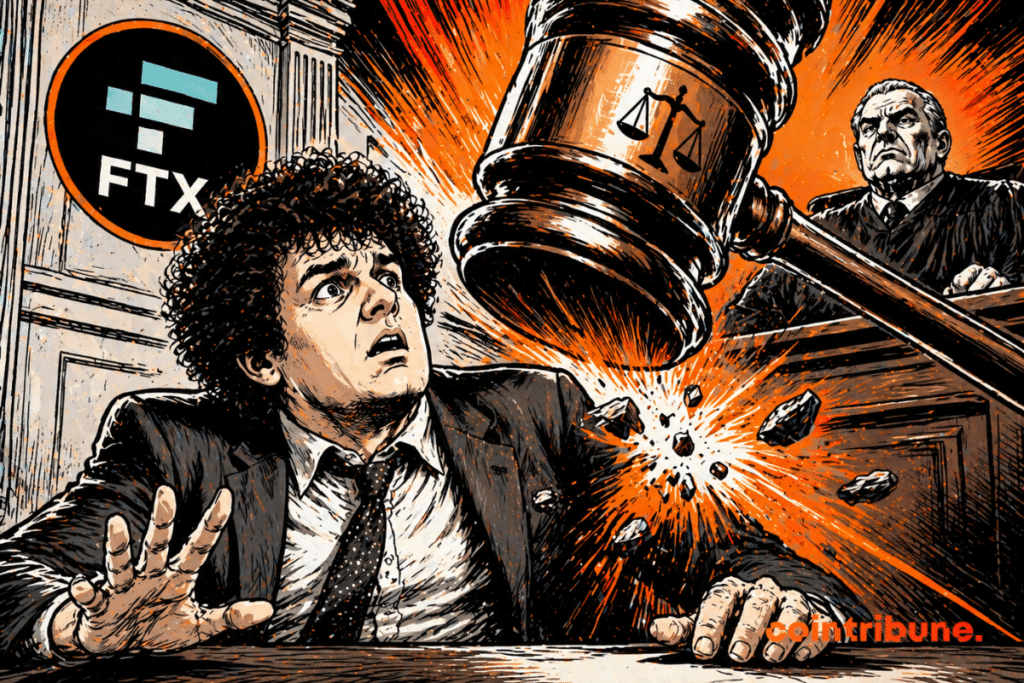
In brief
- Judge Kaplan denies the request for a new trial filed by SBF in February 2026.
- The witnesses invoked were already known before the FTX trial held in New York.
- Kaplan considers the accusations of government pressure conspiratorial and contradicted by the court file.
- SBF remains sentenced to 25 years, with an appeal still pending.
SBF stopped in its tracks: Judge Kaplan locks the case
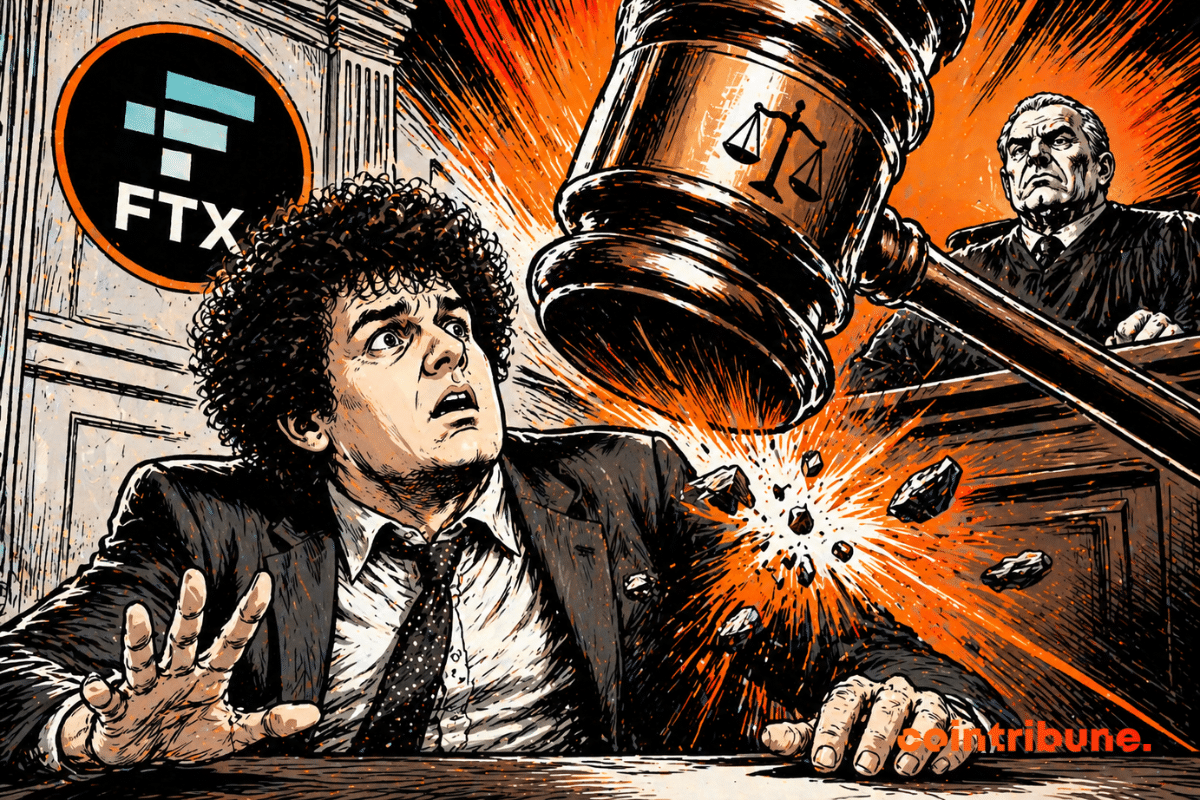
Sam Bankman-Fried attempted a final legal maneuver with a motion filed in February 2026. He claimed to have new elements capable of upsetting the balance of the FTX case. However, Justice Lewis Kaplan rejected this request with remarkable firmness in his decision.
The magistrate considered that the arguments put forward by SBF lacked solid foundation. He also refused the attempt to withdraw the motion, despite criticism leveled against him. Sam Bankman-Fried argued that he would not receive fair treatment in this court.
He could have obtained or at least sought to compel their testimony. But he didn't do it. His assertion that their absence was the result of government threats is completely conspiratorial and contradicted by the record.
Justice Lewis Kaplan, source: The Block
Justice leaves no room for a rewriting of the FTX file.
Recycled witnesses, a defense that is cracking
Sam Bankman-Fried's strategy was based on witnesses presented as crucial to his defense. These included Ryan Salame and Daniel Chapsky, both linked to the FTX ecosystem. However, Justice Kaplan quickly dismantled this argumentconsidered not very credible in the context.
According to him, these witnesses were by no means new to this legal case. Sam Bankman-Fried knew of their existence well before his 2023 trial in New York. He could have solicited their testimony or tried to compel them to appear.
No serious evidence has been provided to demonstrate that these interventions would have changed the outcome of the trial. The argument that FTX was solvent also did not convince the legal authorities.
None of these witnesses are really new. Sam Bankman-Fried knew them well before the trial and knew what they could say.
Judge Lewis Kaplan, source: ABC News
The defense is crumbling under the weight of its own contradictions.
Crypto and reputation: a battle already lost?
This legal attempt is not limited to a classic defense strategy in the crypto industry. Sam Bankman-Fried is also seeking to rebuild his image in a crypto-sphere that has become hostile. He increased his public interventions, hoping to influence opinion and relaunch the debate.
However, Justice Kaplan criticized this approach, finding that these elements were more of a media narrative. The arguments presented have already been examined several times during the initial trial. Justice considers that nothing really new has been brought.
The figures that illustrate the fall of FTX
- SBF sentenced to 25 years in prison after 2024 verdict;
- 7 charges filed against Sam Bankman-Fried in 2023;
- Around $11 billion to compensate victims;
- FTT price reaches $0.2914 at press time;
- Motion Rule 33 filed then rejected in April 2026.
The case now seems locked at the judicial level, despite an appeal still underway.
In this context, former FTX employees experience very different trajectories. Caroline Ellison, for example, has already left prison despite an SEC ban. Other actors involved benefit from lighter sanctions. This disparity underlines a simple reality: in this matter, everyone pays a different price.
Maximize your Tremplin.io experience with our 'Read to Earn' program! For every article you read, earn points and access exclusive rewards. Sign up now and start earning benefits.