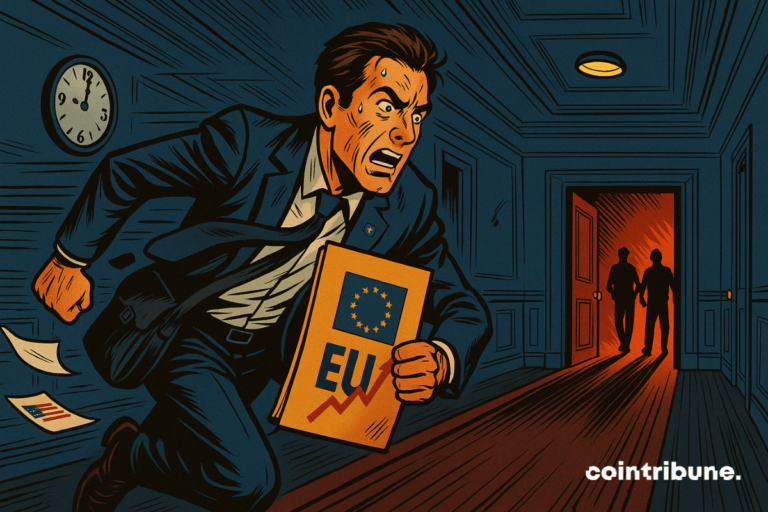
Europe is on the verge of upsetting the global energy balance. Seeking to end its dependence on Russian gas, it is turning to the United States and Norway to meet its energy needs. This strategic decision, motivated by geopolitical and economic considerations, could redefine international relations and profoundly affect the BRICS alliance, of which Russia is a key member. In a context where energy issues are more crucial than ever, the evolution of this situation deserves particular attention.
The end of European dependence on Russian gas
Europe, under the leadership of Germany and the Czech Republic, is moving resolutely towards reducing its dependence on Russian liquefied natural gas (LNG). According to the latest available data, the European Union (EU) has stepped up its gas purchases from the United States and Norway. This strategic change adds pressure on Russia“, leading to a significant decrease in gas orders from Europe.
The European transition is part of a dynamic of diversification of energy sources, aimed at guaranteeing increased energy security and reducing geopolitical risks. Although the EU continues to depend on Russian gas for 15%, initiatives to diversify its supplies show a clear desire to minimize this dependence. LNG purchases in the United States and Norway, two major players on the global energy scene, illustrate this strategic reorientation aimed at ensuring long-term energy resilience for the European continent.
A hard blow for the BRICS
Europe's decision to reduce its dependence on Russian gas is a blow to the BRICS alliance, one of whose main goals is to dominate the global oil and gas sector. Recent initiatives by the BRICS alliance, such as the integration of new members like the United Arab Emirates, Egypt, Iran and Ethiopia, which are major oil exporters, have not been enough to compensate for the loss of the European market.
Additionally, efforts to integrate Saudi Arabia, a major player in the energy sector, into BRICS remain uncertain. The Kingdom, which maintains trade relations with Europe and BRICS, could ultimately decline the invitation, further weakening the alliance's strategic position.
This European reorientation towards alternative sources of gas highlights the challenges that BRICS face in maintaining their influence in the global energy market. The consequences of this new dynamic could result in a redistribution of the cards to the benefit of the United States and Europe, strengthening their domination in this crucial sector.
Maximize your Tremplin.io experience with our 'Read to Earn' program! For every article you read, earn points and access exclusive rewards. Sign up now and start earning benefits.
Click here to join 'Read to Earn' and turn your passion for crypto into rewards!