
Faced with profitability under pressure since the last halving in April 2024, bitcoin mining companies have made a strategic shift towards AI. Enough to arouse the enthusiasm of Wall Street. A report from Blocksbridge Consulting published on July 9, 2026, however, depicts an alarming reality. It highlights massive sales of shares carried out by managers and members of the boards of directors of certain companies. More details in the paragraphs that follow!

In brief
- Bitcoin miners are accelerating their diversification towards AI infrastructures in order to compensate for the drop in mining profitability after the halving.
- Several mining company executives sold shares after BTC prices rose.
- The current situation fuels questions about corporate governance and investor confidence.
An industrial shift forced by the realities of the Bitcoin network
At the end of 2025, the global hashrate of the Bitcoin network had reached a historic peak of 1,160 EH/s. Which intensified the competition. According to industry reports from CoinShares, the weighted average cost to validate a single BTC stood at approximately $80,000 in Q4 2025 for listed entities. Result: 15 to 20% of the global fleet of obsolete ASIC machines were condemned to run at a loss.
To restore their cash flows, major players in the bitcoin mining have chosen to convert their energy capacities to power supercomputers. A striking example: the signing of a 20-year lease contract between TeraWulf and Anthropic. The latter is valued at nearly 19 billion dollars.
For many, this diversification attests to the transformation of the economic model of BTC mining industry. Some analysts nevertheless raise a fundamental point: this requires significant capital. Which explains why many firms have had to liquidate their own bitcoin reserves. This is particularly the case of Marathon Digital Holdings (MARA) which sold more than 15,000 BTC from its institutional treasury. The last bitcoin sale was in April 2026.
Bitcoin and insider sales: the TeraWulf case closely scrutinized by crypto investors
On June 29, Beowulf E&D Holdings, an entity managed by CEO Paul Prager, said the sale of 275,000 TeraWulf shares. The weighted average price is $26,596. Which represents approximately $7.3 million in gross proceeds. This operation attracts particular attention insofar as it takes place a week before the announcement of a 20-year lease with Anthropic for AI infrastructure.
According to the dataPrager and his entity have divested a total of approximately 1.59 million bitcoin-related shares since the end of March. Which equates to around $32.7 million, with an average price of around $20.55.
On July 6, TeraWulf confirms its lease with Anthropic. According to the official press releasethis is expected to generate nearly $19 billion in contract revenue on 401 megawatts of critical load. At the same time, the company sold its 50.1% stake in the Abernathy joint venture for approximately $450 million.
The TeraWulf case is not isolated in the world of bitcoin miners engaged in AI
Cipher Digital CEO Tyler Page filed a request for transfer of 112,500 shares worth $2.38 million on July 8. This approach is part of a Rule 10b5-1 plan adopted in December 2025.
At Riot Platforms, CEO Jason Les sold:
- 175,000 shares for $4.2 million in May;
- Additional 250,000 shares for $7.03 million on June 22.
Regarding Core Scientificits legal manager sold 140,000 shares for $3 million on July 6. Which brings his total sales to approximately 260,000 shares and $5.9 million.
That’s not all! At Hut 8, a director also sold 20,000 shares on May 21 for around $2 million. Certainly, these transactions were carried out under pre-established plans. They nevertheless have enough to fuel doubt about the alignment between leaders of the bitcoin mining and public shareholders.
Bitcoin mining sector faces another major challenge
A VanEck analysis published on June 16 estimates the short-term financing gap at around $50 billion. However, this figure could rise to $221 billion to cover all future needs related to AI infrastructure.
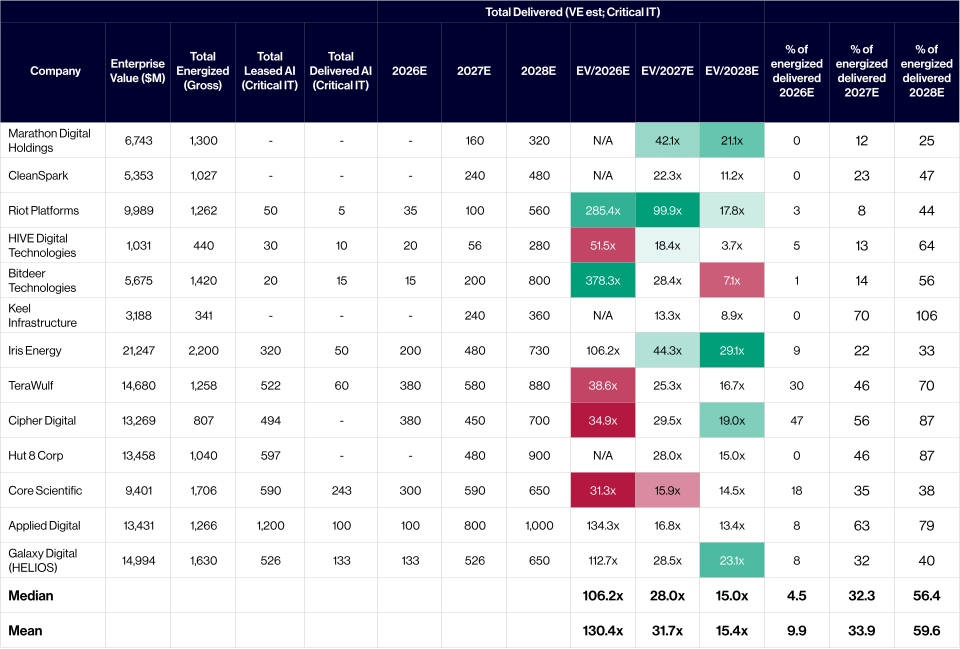
To bridge this gap, bitcoin miners have the choice between three options:
- dilute shareholders through new share issues;
- going into debt in a still high interest rate environment;
- sell part of their bitcoin reserves.
Some have already started to liquidate positions. If the projections are confirmed, AI could therefore represent up to 70% of revenue for some bitcoin miners by the end of 2026. Enough to raise questions about the future place of BTC mining in their economic model.
Bitcoin and governance: the IREN case and the question of equity tokens
On June 30, the board of directors of ex-bitcoin miner turned cloud player IA IREN approved the granting of more than 18 million free shares in total to its two co-chief executives, William and Daniel Roberts, over a combined lock-up period of six years. The company assures that no other grant will be granted before 2031.
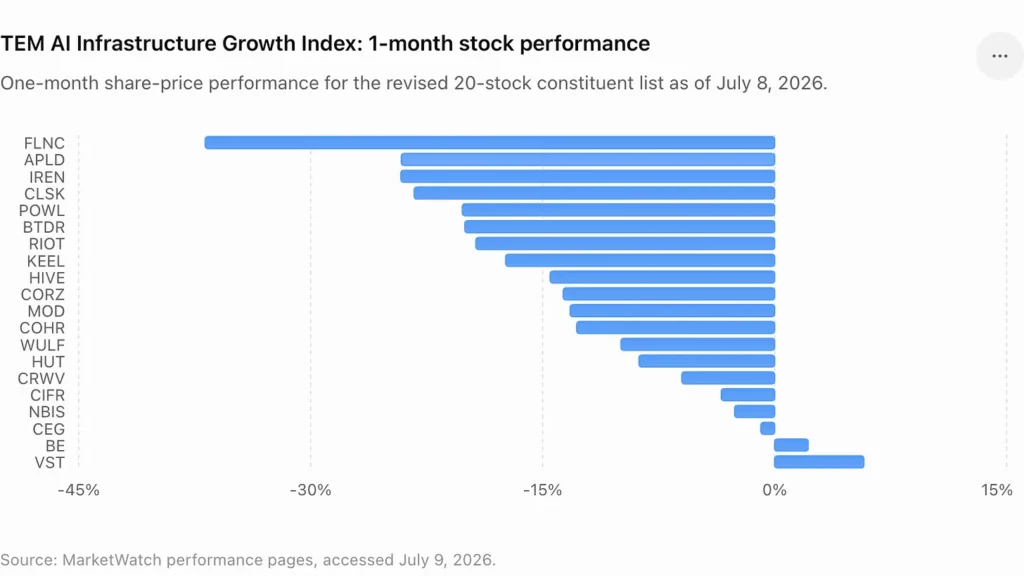
The decision is by no means unanimous within the crypto community. Many point out the extent of the dilution for bitcoin mining shareholders. However, IREN’s AI strategy has not yet proven its sustainable profitability. Result: the stock fell considerably.
What consequences for investors?
For the holders of shares linked to bitcoin miningthree elements deserve particular attention:
- the recurrence of insider selling during bullish phases, an indicator of confidence;
- the method chosen to fill the financing gap identified by VanEck;
- the real economy of signed contracts, beyond the announcement figures.
Dilution, debt or sale of bitcoin? Each option will indeed have a different impact on shareholder value.
Tether, for example, reduced its exposure to Bitdeer after increasing it during a market trough. This illustrates the growing caution of strategic investors regarding the AI version of bitcoin. If miners continue to sell their reserves to finance AI infrastructure, this would in effect remove a historic source of buying pressure on the bitcoin market.
In any case, the technological transformation of bitcoin mining companies towards artificial intelligence is redefining industry standards. The current debate over governance and allocation of gains could extend to the entire AI-backed crypto ecosystem.
Maximize your Tremplin.io experience with our ‘Read to Earn’ program! For every article you read, earn points and access exclusive rewards. Sign up now and start earning benefits.