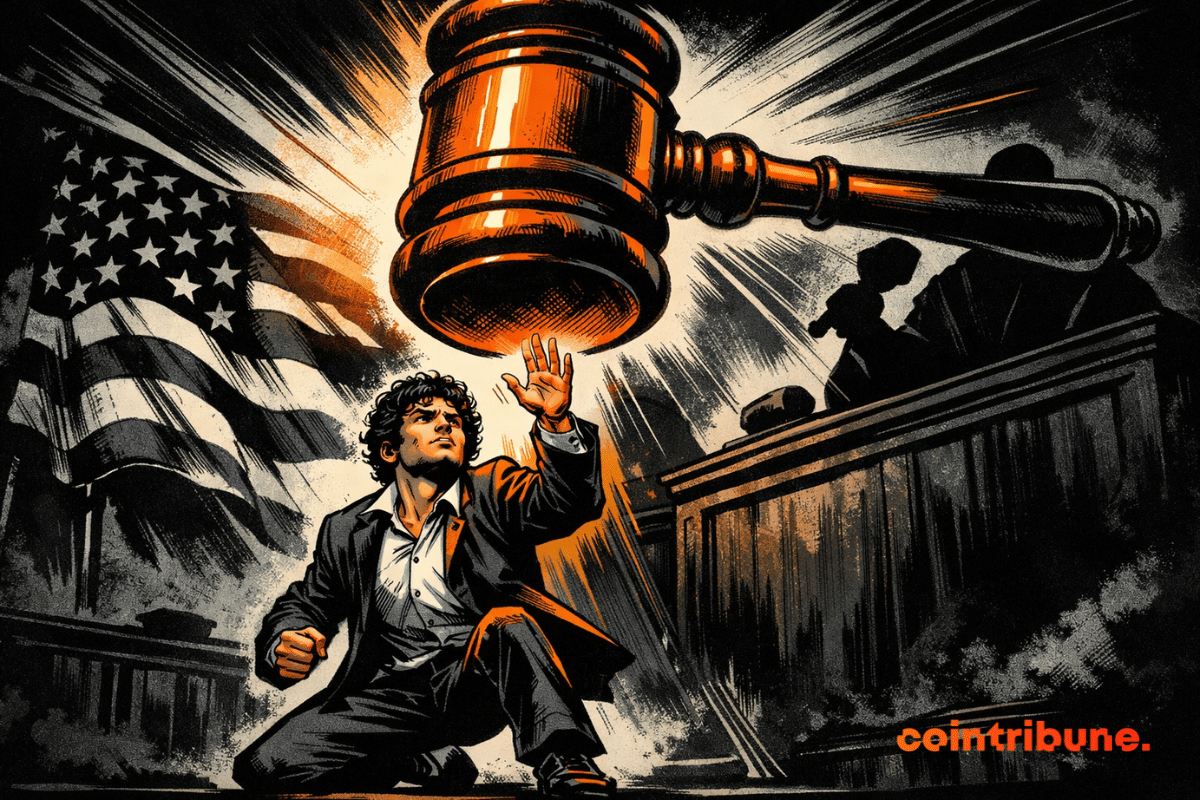
Sam Bankman-Fried seeks to reopen his criminal case related to the collapse of FTX. The former crypto executive requested a new trial, arguing that newly revealed witness testimony could weaken key aspects of the prosecution's case. Convicted of several counts of fraud, Bankman-Fried now claims that jurors did not have a complete and accurate picture of certain evidence. His filing frames the issue as one of fairness in the legal process rather than disagreement with the verdict itself.
In brief
- Bankman-Fried argues that jurors assessed intent based on an incomplete evidentiary record.
- The defense claims prosecutors mischaracterized or omitted key testimony.
- A new witness could reinterpret internal FTX communications related to intent.
- The judicial review will test whether the new evidence meets the strict criteria for a new trial.
Bankman-Fried argues FTX lawsuit failed to meet constitutional standards
Court documents assert that important information may have been mischaracterized or not properly disclosed during initial proceedings. Bankman-Fried's legal team says the jury interpreted intent and knowledge based on an incomplete record. According to the motion, the case hinges not on whether FTX collapsed, but on whether the lawsuit met constitutional standards.
At the heart of the request is a demand for due process. Defense lawyers argue that prosecutors failed to share physical evidence or presented testimony in ways that distorted its meaning. Under American law, a new trial may be granted if newly discovered evidence is both significant and was not reasonably available at the time of trial.
According to the filing, a new witness could shed light on how certain transactions and internal communications were understood within FTX at the time they occurred. The defense attorney suggests these interpretations could weaken accusations that Bankman-Fried acted with criminal intent.
High bar: the Court will examine SBF's request for a new trial
Key points raised in the motion include:
- Prosecutors allegedly mischaracterized or omitted portions of the witnesses' testimony.
- Newly revealed testimonies may offer a different interpretation of FTX's internal communications.
- The evidence in question could affect how jurors assessed intent and knowledge.
- The defense argues the information was not reasonably available at the initial trial.
A new trial would have consequences beyond just one defendant. Prosecutors have relied on the FTX conviction as evidence that existing fraud laws can address wrongdoing in digital asset markets. Any Court finding serious procedural errors would likely draw increased attention from defense attorneys representing other executives in finance and crypto-related cases.
However, obtaining a new trial remains difficult. Courts rarely grant new trials based on newly introduced witnesses unless the testimony is clearly material and likely to change the outcome. Prosecutors should argue that the evidence is either cumulative, irrelevant or that the defense could have discovered it sooner.
The judicial review will focus on two central questions: why the testimony was not presented sooner and whether it could reasonably have influenced the jury's verdict. This standard sets a high bar for granting a new trial. Even if the conviction stands, the filing has reignited attention to a case that many considered to be settled. Similar efforts to reframe liability, such as SBF's claim that FTX was never insolvent, show how narratives can change even after a verdict.
Maximize your Tremplin.io experience with our 'Read to Earn' program! For every article you read, earn points and access exclusive rewards. Sign up now and start earning benefits.