
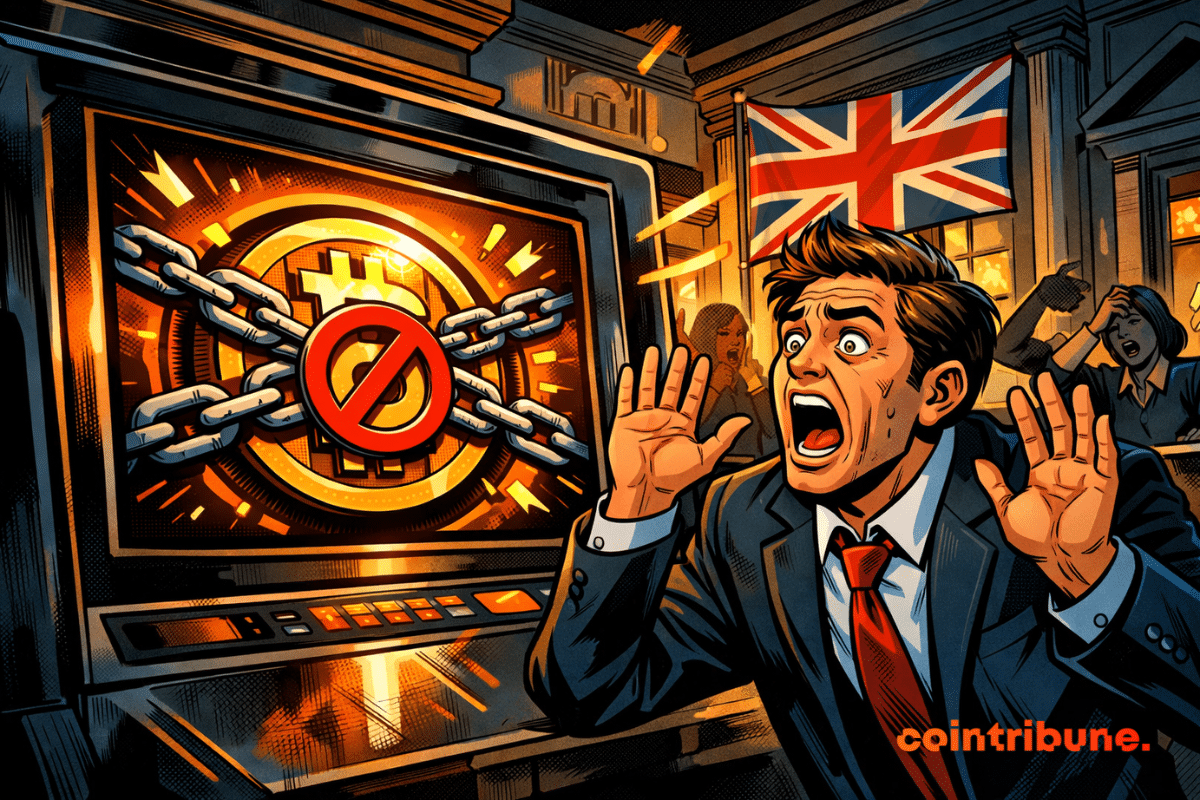
A new industry report reveals that the majority of major UK banks are making it harder to transfer money to crypto platforms. According to the findings, banks are largely blocking or limiting payments, even when customers use regulated platforms. Industry leaders warn that these practices stunt growth and push innovation out of the country.
In brief
- The survey indicates that 40% of crypto transfers in the UK are blocked or delayed by banks, even when they involve regulated platforms.
- Eight out of ten platforms report an increase in payment blocks over the past year, with no improvement seen.
- Uniform banking rules ignore differences in risk, subjecting even FCA-registered firms to the same restrictions.
- The lack of explanations from banks is harming user confidence and delaying the development of the UK crypto market.
UK banks tighten crypto payment blocks
A survey by the UK Cryptoasset Business Council (UKCBC) reveals that transfers between UK bank accounts and crypto exchanges are frequently blocked, delayed or refused. Responses come from ten of the UK's largest centralized platforms, which together serve millions of users and have processed hundreds of billions of pounds in transactions.
The report, titled Debanking the UK's Digital Asset Economyaims to replace anecdotal testimonies with concrete data. The UKCBC says banks' current practices pose a major hurdle for the sector, and are already working against the UK's ambition to become a global hub for digital assets.
Of the ten platforms surveyed, eight reported a marked increase over the past year in the number of customers experiencing blocked or restricted transfers. None observed any improvement. Based on the data collected, UKCBC estimates that around 40% of transactions to crypto platforms are blocked or delayed by banks.
Simon Jennings, executive director of the UKCBC, acknowledges that the risks of fraud existbut believes that the current measures go too far. He laments that many banks appear to be using compliance rules as an excuse to restrict the sector, rather than managing risks in a targeted manner.
The platform data shows a clear observation:
- Around 40% of transfer attempts to crypto platforms are blocked or delayed.
- Card payments and transfers via open banking are frequently refused.
- Platforms registered with the FCA are subject to the same restrictions as those deemed riskier.
- Payment problems often arise without prior warning.
- Delays can last several days, disrupting exchanges and access to accounts.
One of the UK-founded platforms reported almost £1 billion ($1.4 billion) in declined transactions over the past year, mainly due to banks blocking card payments and transfers through open banking.
Investigation reveals inconsistent banking rules blocking crypto transfers in UK
These restrictions concern most major traditional banks, many of which now apply strict limits, or even total blocks, on transfers to crypto platforms. Some challenger banks still allow payments but impose low caps or 30-day limits, which the platforms see as a persistent source of friction for users.
The UKCBC says that almost all major UK banks and payment companies apply blanket policies, without assessing them on a case-by-case basis. These rules do not distinguish between platforms registered with the Financial Conduct Authority (FCA) and those deemed riskier.
Feedback from platforms highlights inconsistent restrictions, including blockages imposed on businesses that are fully registered in the United Kingdom. One platform said 60% of its customers expressed frustration or anger over repeated failed payments. Another called these banking restrictions the “main obstacle” when launching or expanding crypto products in the UK.
UKCBC calls on FCA to limit general banking restrictions on digital assets
The report also highlights a virtual absence of transparency. All platforms surveyed say banks rarely explain the reasons for blocked payments or restricted accounts, leaving businesses and customers alike without a clear answer.
The issues raised by survey participants are consistent across platforms:
- Payment blocks applied without taking into account the actual risk profile.
- The FCA register only offers theoretical protection.
- Lack of clear deadlines for resolving stuck transactions.
- Customer confidence erodes in the face of repeated failures.
- Product launches are delayed or canceled due to banking restrictions.
The UKCBC warns that the consequences go far beyond simple inconvenience. According to the report, these practices slow down local innovation and encourage more and more players to move their activities abroad.
To address this situation, UKCBC is calling on the Government and the FCA to make it clear that blanket bans are unacceptable. It urges banks to adopt more accurate, risk-based assessment frameworks and ease restrictions for FCA-registered platforms.
Jennings says progress requires open discussion, but observes that so far banks have shown little willingness to share their fraud data or engage in dialogue with the industry. He warns that if these practices continue, the UK risks losing ground in the global digital asset market.
Maximize your Tremplin.io experience with our 'Read to Earn' program! For every article you read, earn points and access exclusive rewards. Sign up now and start earning benefits.


