The identity of Satoshi Nakamoto, the pseudonym creator of Bitcoin, remains one of the greatest mysteries in the history of technology. Incessant speculations have circulated over the years, but no concrete evidence has never been brought. However, as the crypto ecosystem is developing, the interest in discovering man or the group behind this pseudonym continues to grow. The last attempt to resolve this riddle? A complaint against the American government to reveal what he knows about Nakamoto.
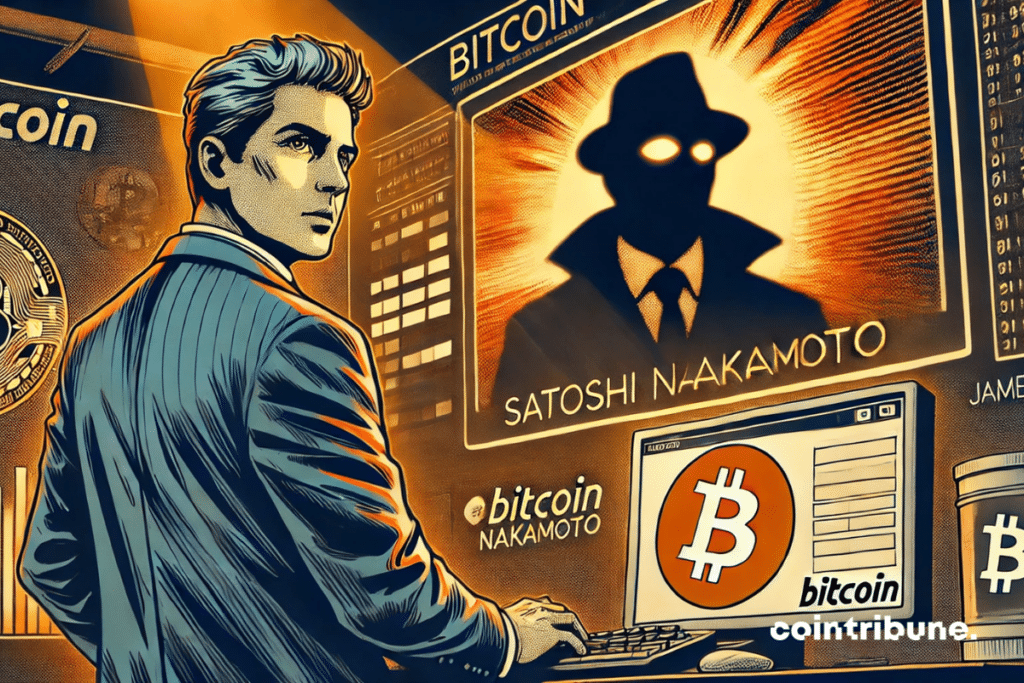
The Foia complaint: a new attempt to discover Satoshi
Lawyer specializing in cryptocurrency James Murphy, aka Metalawman, posted A Freedom of Information Act complaint against the Department of Homeland Security (DHS). According to Murphy, a special agent of the DHS, Rana Saoud, said in 2019, at a conference, which they had met Satoshi Nakamoto in California.
The agents would even have gone to meet him and would have discussed with himlearning how and why Bitcoin was created.
Metalawman wrote on X:
The American government claims to know the identity of Satoshi … but says nothing. So I continue them to find out.
The DHS would have claimed have interviewed Satoshi Nakamotoa surprising revelation, but difficult to verify. Murphy seeks to obtain official documents, such as notes, emails, or other written evidence of this meeting.
The purpose of the complaint is shed light on this information, Assuming that the meeting has really happened, as the agent said.
The implications of the complaint and the government's reaction
Could the Metalawman demand demand unveil the identity of Satoshi Nakamoto? Is the US government really in possession of crucial information about it? The agent of the DHS, at the offshore alert conference, would have indicated that the federal agents had met Satoshi and learned that Three other people had helped him create Bitcoin.
Metalawman said:
My recourse Foia simply requests the notes, emails and documents concerning this alleged meeting.
If this meeting has taken place, the DHS should be able to provide documents relating to the interview. This could be a key moment in the investigation into the identity of Satoshi.
However, as Metalawman points out, It is also possible that the agent was wrong Or that the DHS does not really have this information.
Speculations around Satoshi: more than ten years after Bitcoin
Speculations on the identity of Satoshi Nakamoto have fueled many theories and rumors. Since the creation of Bitcoin in 2008, Names such as Hal Finney, Nick Szabo, and even Craig Wright have been advanced. Each attempt to give a face to Nakamoto has been rejected, whether Hal Finney, who died in 2014, or Nick Szabo, who also denied being Nakamoto.
However, Zachxbt got angry with James Murphy:
No one needs to know the identity of Satoshi.
Indeed, the implications of this research go far beyond the field of cryptography. Indeed, if Nakamoto's identity were to be revealed, this could affect global regulations concerning cryptocurrencies and the impact of Bitcoin on global financial systems.
Key points to remember:
- James Murphy's Foia complaint against the American government concerning the identity of Satoshi Nakamoto;
- Meeting in 2019 between an agent of DHS and individuals supposed to be Satoshi;
- The DHS is accused of holding key documents relating to this meeting;
- Incessant speculations on the identity of Nakamoto, with names such as Hal Finney, Nick Szabo, and Craig Wright;
- The regulatory impact of the revelation of Satoshi's identity would be considerable.
The world has been wondering about the identity of Satoshi Nakamoto for over 15 years. This year, Nakamoto would have been 50, but his identity remains a mystery. The recent foia complaint could well open a new page in this quest, but the path remains strewn with pitfalls. Does the American government have essential keys? Maybe the answer is closer than you think.
Maximize your Cointribne experience with our 'Read to Earn' program! For each article you read, earn points and access exclusive rewards. Sign up now and start accumulating advantages.