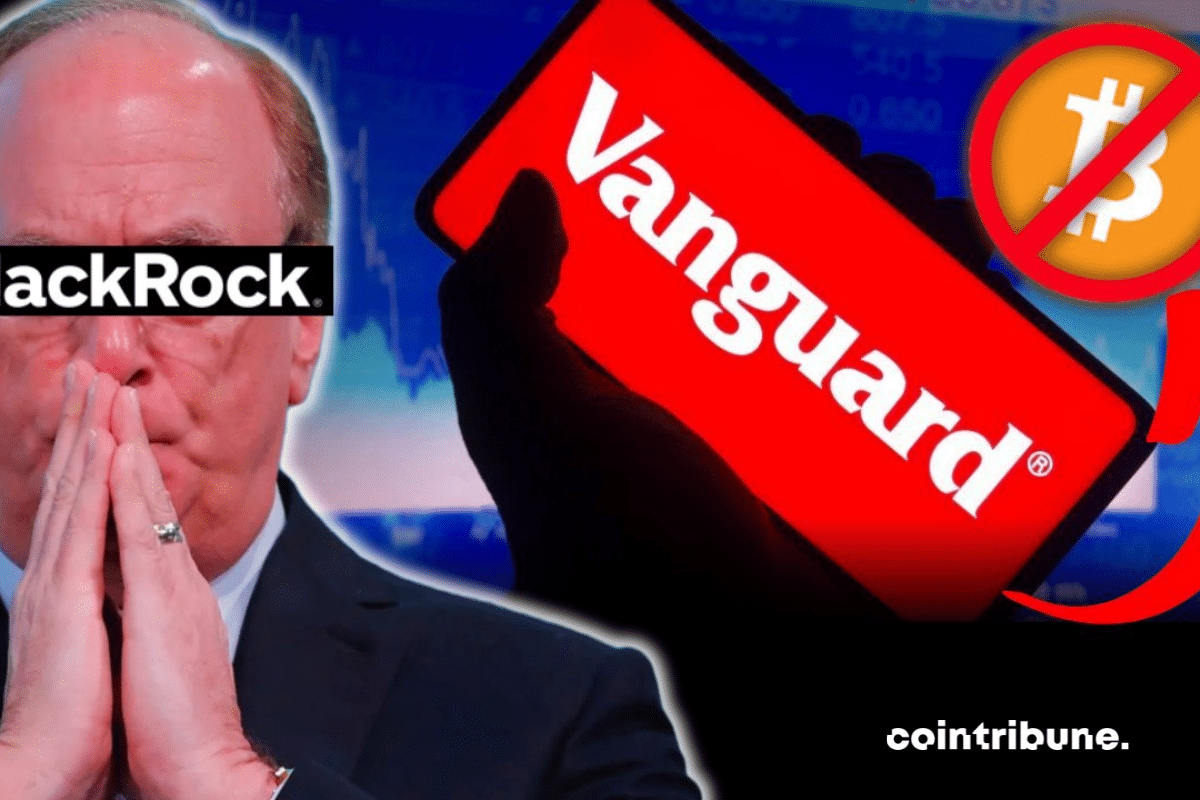
The Bitcoin ETF broke all records, but burlesque events came to play spoilsport, preventing bitcoin from appreciating for the moment.
All-time high for Bitcoin ETF
In total, the first day resulted in a volume of more than 4.5 billion dollars if we aggregate the eleven ETFs from Blackrock, Fidelity, Tempelton and others.
It’s a record. No other ETF has had such a thunderous debut. There were over 700,000 trades, averaging $6,500 per trade.
Bitcoin addresses known to Coinbase – which has custody of the bitcoins of eight ETFs – show a movement of around 450 million bitcoins. The latter have probably joined addresses dedicated to ETFs.
The most popular ETFs were those of grayscale (GBTC), Blackrock (IBIT) and Fidelity (FBTC). The first recorded 34% of trades, the second 24% and Fidelity 21%.
In terms of total volumes, more than two billion dollars passed through the GBTC Trust, one billion through Blackrock and even 673 million via Fidelity. Cathie Wood’s Ark Invest fund – which anticipates bitcoin at $1 million before 2030 – processed $275 million:
In terms of net volumes absorbed, Fidelity and BlackRock ETFs are in the lead with 227 million and 111 million respectively.
Conversely, the GBTC Trust (which holds more than 600,000 BTC) recorded net outflows totaling 941 million! This is surely what explains why bitcoin fell yesterday.
The likely reason being that many people left the GBTC Trust (which already existed) due to its management fees being almost five times higher than its competitors (1.5%). These investors will undoubtedly invest in other ETFs very soon.
Except that many of them were scandalously prevented from doing so by the big US banks.
US banks
Many people were unable to purchase ETF shares. Vanguard is notably to blame. The giant investment fund (50 million clients) has declared that it does not intend to offer bitcoin ETFs. His spokesperson said:
“High volatility runs counter to our goal of helping investors generate positive real returns over the long term. »
Cathie Wood said it was a “terrible decision”:
Same with the banks Citi, Merrill Lynch, Edward Jones, UBS and certainly others. Only wealthy clients were able to gain access to ETFs. You need 10 million dollars from UBS or even 50 million dollars from Merrill Lynch. Small carriers will have to wait…
Some argue that some banks simply need time to create the gateway to ETFs.
Gabor Gurbacs, advisor at Tether and Vaneck, says:
“It typically takes a few weeks or months for major banks and brokerages to approve and onboard new ETFs. Some have already started offering Bitcoin ETFs, others will take some time. This is a standard process. »
Regardless, thousands of people are closing their accounts:
In short, the negative impact of ETFs on the price of bitcoin will be short-lived. Let’s see what this second day has in store for us. Hold!
Maximize your Tremplin.io experience with our ‘Read to Earn’ program! For every article you read, earn points and access exclusive rewards. Sign up now and start earning benefits.