The United States has shaken up the cryptocurrency industry quite a bit, particularly with the case which concerns the Binance exchange platform. You might think that the US wants to control bitcoin but is that really the case? What are the means? We are going to study together certain aspects in terms of US control over bitcoin.
The case Binance
Binance is the most widely used cryptocurrency trading platform in the world. An investigation file by the SEC (security and exchange commission) had been opened to initiate proceedings against it. Just as a reminder, the SEC is an agency responsible for regulating and monitoring financial markets. As a result of this lawsuit, an agreement and compromise was reached. The CEO of Binance pleaded guilty to violating American laws against money laundering and will leave his position within the company at the same time. Binance will also have to pay $4 billion to the US Treasury. This type of event among many others becomes a widely used argument to undermine the credibility of cryptocurrency. However, you should know that fraud and money laundering have always existed, even through traditional banks.
So, is this good news or bad news for bitcoin? Truth be told, bitcoin really didn’t react to this. It was like a non-event.
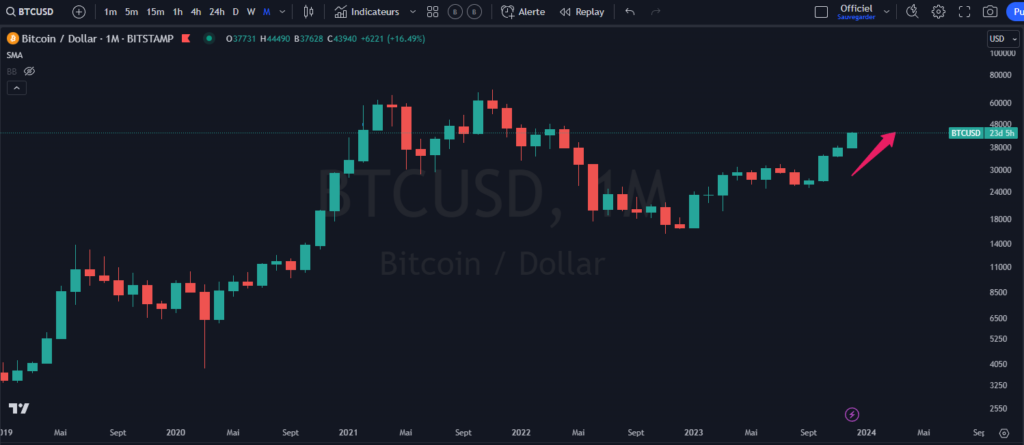
This kind of non-event is probably due to the fact that we are gradually having an alignment of the planets (favorable) to satisfy approval at the level of spot ETFs. The more the industry is controlled and regulated, the easier it will be to proceed with the institutionalization of bitcoin.
The rise of Bitcoin remains at the heart of the debate
Bitcoin is gaining so much popularity and use that it is becoming dangerous in the eyes of some governments. Some states see potential in it and make it an official currency, this is notably the case of El Salvador. Other states see it as a danger and support for money laundering because bitcoin is both unregulated and criminals use it. For individuals, it can be an emergency exit against inflation via monetary expansion but it can also help the population to circumvent capital controls in certain cases. On this occasion, the US has increased the number of different controls recently in order to impose regulations.
Does the United States have power over bitcoin?
For now, you might think that the United States increasingly wants to get its hands on bitcoin and control it. Moreover, we can even see a certain alignment at the regulatory level and waiting for the approval of a cash bitcoin. Everything happens at the same time and we can see the power that the US wants to have over bitcoin. For what ? On the one hand, we have the various prosecutions, particularly against cybercriminals. These prosecutions allowed the US to have in its possession a wallet of 200,000 bitcoins. This makes the US one of the largest holders of bitcoins. And on another more recent note, we have the recent conviction of Binance regarding violation of US laws. As Binance remains THERE major exchange platform for different cryptocurrencies, condemning it in order to weaken its credibility will encourage investors to move towards more traditional products such as ETFs. Moreover, in the same dynamic, we have the largest producers of ETFs like blackrock or ishare which are awaiting authorization from the SEC to approve a spot ETF. This would allow the US to have an important position in terms of bitcoin ownership.
US financial markets globally
Generally speaking, the US financial markets already have an important place globally because they represent more than 42.5% of the global market. So they are a very important source of capital. On the other hand, the US dollar is the reserve currency globally.
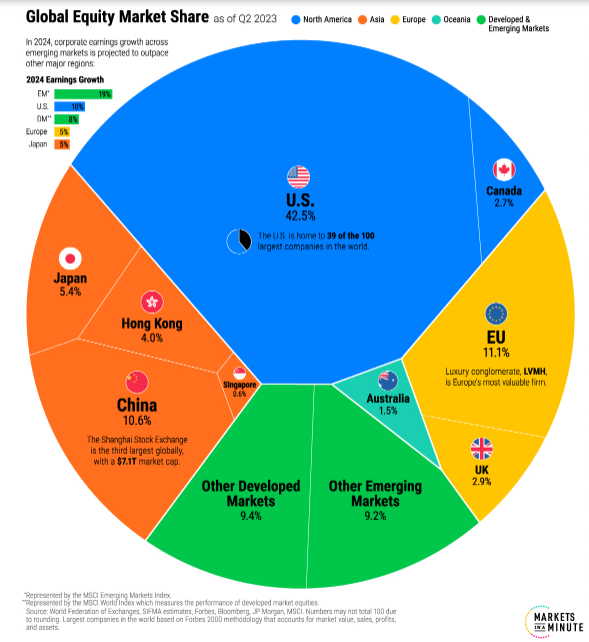
As a result, a very large portion of goods and services are paid for in US dollars. As we know that the American market represents 42.5% of the world market and that the reserve currency is the US dollar, they nevertheless remain leaders. We add to this the big players like blackrock or ishare who are in the process of buying bitcoin for approval of spot ETFs. Therefore, a very large portion of bitcoins are purchased in US dollars. We will say that the US has power over Bitcoin because they have both significant capital, they hold a large number of it and they are in a position to regulate the industry. All in order to properly coordinate institutionalization.
The effect of institutionalization in the US
Obviously, there are For and against regarding the institutionalization of bitcoin. Firstly, it is the result of democratization work carried out several years in advance. Bitcoin has become quite popular and attractive thanks to its past performance. Even if past performance does not guarantee future performance, it should be noted that it is an asset that allows you to add performance to your portfolio.
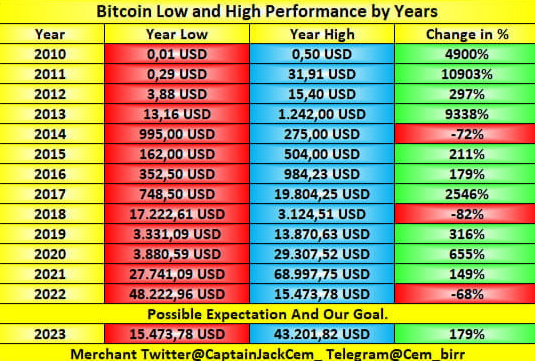
The very principle of institutionalization comes from integrating bitcoin into institutions. This process can have positive effects as institutions will gradually integrate bitcoin into their portfolio. At the same time, this will make the asset accessible without going through other platforms. Therefore, the demand for bitcoin is likely to be boosted. The negative aspect of institutionalization remains the very fact that it is counter-intuitive to the initial usefulness of bitcoin to stand out from institutions via decentralization.
Better to control than to prohibit
The SEC is an institution of the US Treasury so it is necessary to understand the intentions behind the warnings and regulations. In this kind of context, it is better to control than to prohibit. For what ? We know that the US is an important source of capital globally. Therefore, they are an indispensable source for buying bitcoin and driving demand. If the SEC authorizes bitcoin ETFs, this will push large holders to buy bitcoin and include it in portfolios like any regular asset. The very fact of “regulating” can reassure investors who are most skeptical of bitcoin. On the other hand, access for individuals to purchase bitcoin via ETFs remains centralized and regulated. It’s a win for individuals who want to seek performance without going through exchange platforms specialized in cryptocurrency. And it’s a win for the American treasury, because we will have to pay taxes on capital gains when bitcoin performs. So it’s a win for the US but also for the rest of the world.
The positive aspect of control: cleaning
Even if we know that the fact of institutionalization goes against the usefulness of bitcoin, it must be clarified that the fact of wanting to control is not necessarily always negative. For what? Several investors have been victims of fraud in the cryptocurrency industry as was the case with FTX for example. So obviously, the crypto environment is not just rife with fraud or crime. There are several positive aspects to using bitcoin. Here are some examples:
- Protection against the devaluation of a currency, bitcoin is deflationary
- Cheaper money transfer
- Security
- Transparency at the transaction level
- Blockchain integration and development.
- Offer limited to 21 million
- Decentralized
- Store of value
So even if control is not always pleasant, it allows you to clean up and protect the investor to a certain extent, which could boost the credibility of bitcoin.
CONCLUSION
To summarize, the US has a very significant global market share. Consequently, they automatically have power over the evolution of assets and in particular bitcoin. Even if this goes against the initial usefulness (decentralization) of bitcoin, the fact of wanting to regulate and centralize will allow it to be institutionalized. And the very principle of institutionalizing will attract more capital, which could boost the performance of bitcoin.
Maximize your Tremplin.io experience with our ‘Read to Earn’ program! For every article you read, earn points and access exclusive rewards. Sign up now and start earning benefits.