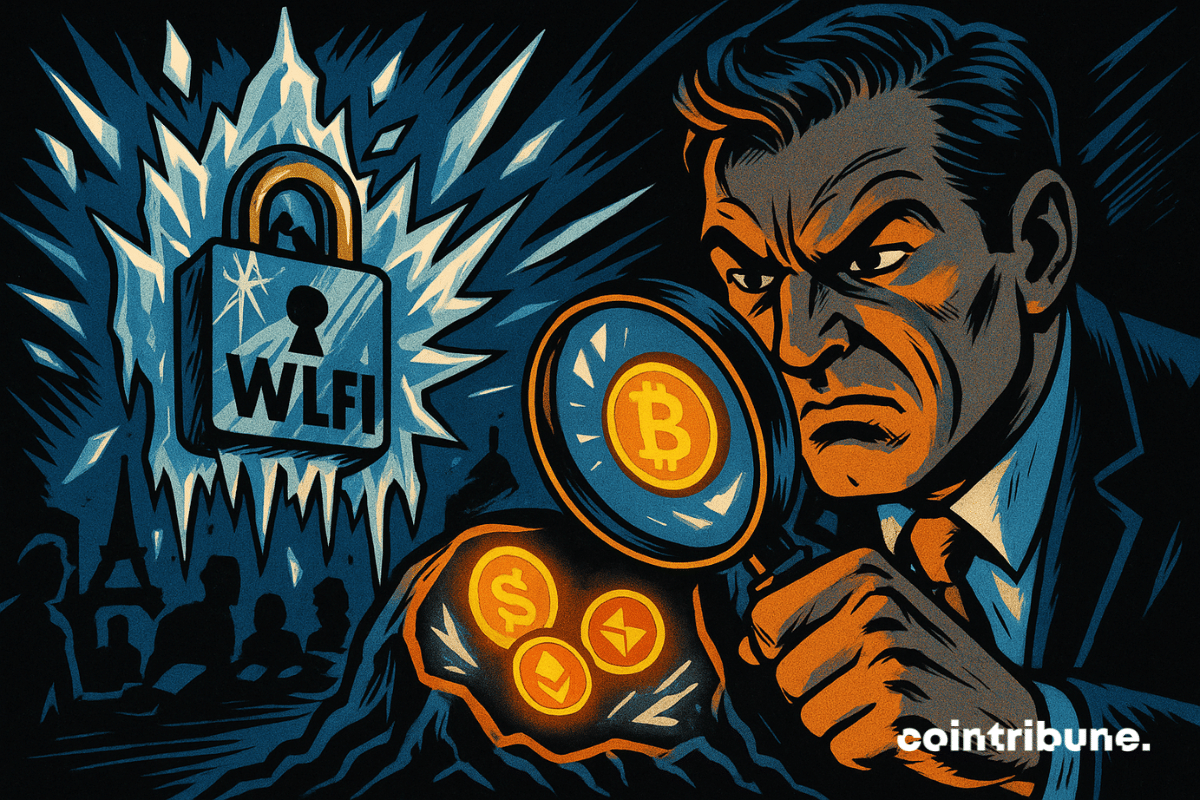
World Liberty Financial (WLFI), the Trump-backed crypto platform that describes itself as “community-governed,” is once again facing criticism over its handling of user funds. Recent portfolio freezes and an upcoming redistribution of assets have intensified long-standing concerns about centralized control. Users remain divided over whether WLFI's intervention reflects responsible oversight or signals deeper governance issues.
In brief
- WLFI plans to reallocate assets from compromised wallets, citing external security failures behind the pre-launch phishing attack.
- Wallets remain frozen unless users complete KYC verification, with 272 wallets blacklisted as WLFI seeks to prevent further asset losses.
- Critics say the unilateral freeze by WLFI contradicts claims of community governance, raising concerns over trust and transparency.
- Supporters argue that WLFI acted responsibly to protect users, but questions remain after previous decisions to unblock tokens in September.
WLFI responds to pre-launch phishing attack with targeted asset recovery plan
WLFI has announced that it will reallocate assets from wallets compromised in a pre-launch phishing attack. The incident exposed pickup phrases belonging to what the platform called a “relatively small subset” of users.
According to WLFI, the attackers gained access via external security failures rather than through flaws in its own infrastructure or smart contracts. The affected wallets have been frozen since September while the platform conducts its investigation.
Only users who have completed Know Your Customer (KYC) verification will regain access to their funds. Accounts without KYC verification will remain locked. WLFI previously blacklisted 272 wallets related to the incident, saying its intervention prevented additional losses while it worked with those affected.
Crypto community divided over wallet freezes and fears of centralization
Reaction within the crypto community remains divided regarding the platform's recent action. Some participants consider WLFI's actions to be necessary protection following the phishing attack. Others argue that these measures contradict the project's claims of shared governance.
Concerns grew after several X users claimed that WLFI's ability to freeze and reallocate assets conflicts with a model based on community monitoring. Critics have also questioned why these decisions bypassed any community voting process.
Traders and developers discussing the situation raised several key questions:
- Authority that a “community governed” project should have over user assets;
- Whether recovery of funds should require a chain vote;
- Long-term confidence implications of portfolio freezes;
- Transparency standards for intervention on accounts;
- How similar incidents could be handled in the future.
Others defended WLFI, saying the platform takes responsibility instead of distancing yourself from the violation. Supporters argue that the decision to restore the funds is notable in an industry where many projects avoid directly addressing security flaws.
It's good to see a project actually taking responsibility instead of hiding behind “not our fault”. User security > everything.
Crypto trader DefiBagira
Further scrutiny stems from a separate dispute in September, when WLFI unblocked 24.6 billion tokens, valued at nearly $5 billion at the time, shortly after presenting them as blocked. This decision caused a strong but temporary increase in price followed by a decline. And as expected, it also raised questions about the project's internal decision-making.
Maximize your Tremplin.io experience with our 'Read to Earn' program! For every article you read, earn points and access exclusive rewards. Sign up now and start earning benefits.