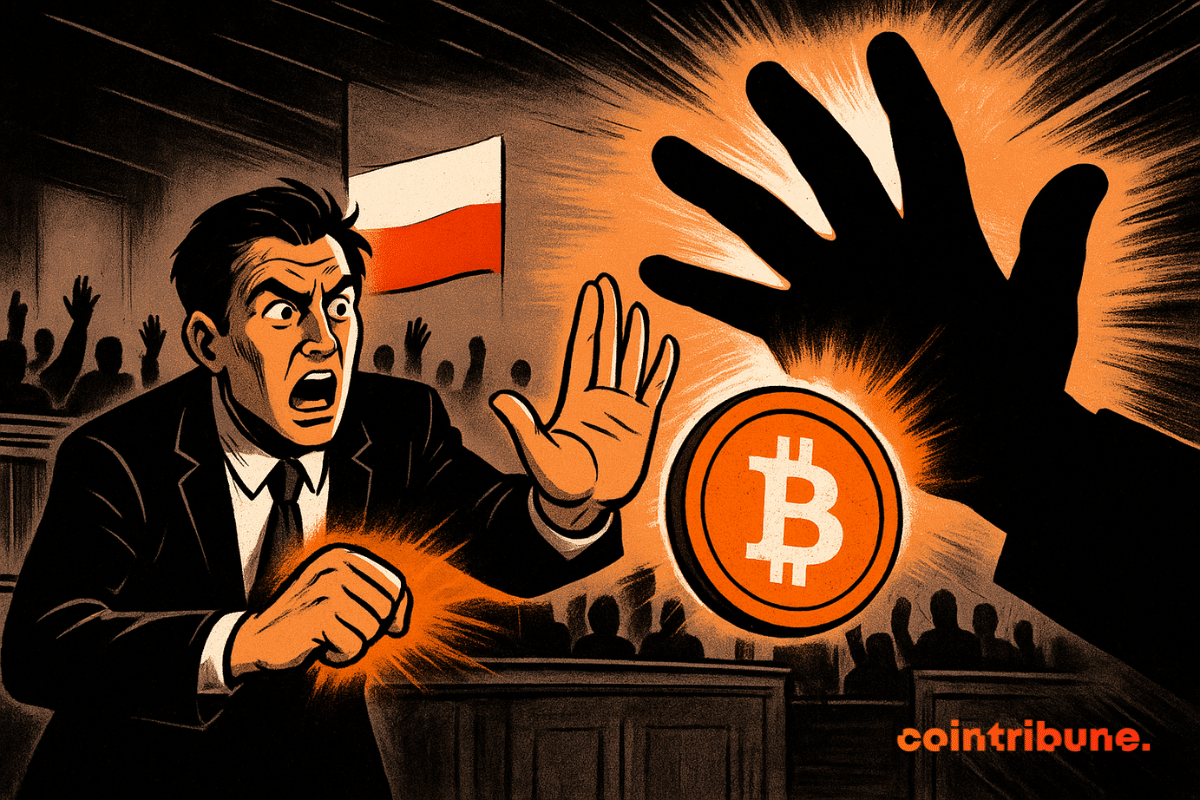
The Polish Parliament failed on Friday to override President Karol Nawrocki's veto of a bill aimed at strengthening rules on cryptocurrencies. The result blocked Prime Minister Donald Tusk's plan to expand oversight and left the country without a clear path forward. Lawmakers must now reconsider how to align with EU standards while avoiding heavy pressure on local businesses.
In brief
- Parliament fails to lift veto on Polish crypto bill, halting plans for enhanced surveillance and sparking political tensions.
- Tusk warns that foreign intelligence is using crypto channels, but critics reject the scope of the bill and accuse the government of overreach.
- Nawrocki says the project threatens freedoms and risks pushing crypto businesses overseas due to lengthy, complex and restrictive rules.
- Officials are debating how to meet EU MiCA standards while allaying fears of abuse, high costs and excessive powers.
Tusk cites foreign intelligence threats as digital assets bill faces resistance
Tusk had pressed lawmakers to support tighter control of digital assets, arguing that foreign intelligence services are increasingly turning to crypto platforms for covert activities. His position did not gain enough support, with right-wing parties and the presidency opposing measures they considered excessive.
He described the outcome as a choice between safeguarding national interests and leaving regulators with limited ability to respond to interference. Several lawmakers rejected the representation, calling it political pressure rather than a balanced consideration of the bill.
According to a Reuters report, Tusk told parliament that the state needs updated supervisory tools to keep pace with growing crypto markets.
President Nawrocki had a different view after blocking the Crypto Asset Market Act. In an update Monday on its website, it said parts of the project threatened personal freedom, endangered property and weakened the stability of the country.
He warned that some powers granted to regulators — including the ability to shut down company websites with minimal oversight — could be abused and lacked adequate safeguards.
Strict rules in Poland could push crypto startups abroad, critics warn
The EU Crypto Asset Markets Regulation (MiCA) served as the basis for the Polish proposal. Still, Nawrocki argued that Poland added far stricter requirements than those found in other member states. He warned that companies could move their operations to the Czech Republic or Slovakia, where national rules are shorter, simpler and easier to comply with.
Concerns raised by the president and other critics include:
- Website blocking rules without clear control.
- Regulatory fees favoring large companies over startups.
- Licensing processes too long and exerting too much pressure.
- Enforcement powers with limited transparency.
- Compliance burdens risk pushing companies overseas.
Officials aligned with the presidency argued that the project would weaken Poland's crypto sector and drive investments to neighboring countries. Nawrocki said businesses should stay in Poland, compete on an equal footing and contribute to the economy rather than face excessive barriers.
Zbigniew Bogucki, head of the presidential chancellery, rejected claims to oppose the project would align lawmakers with hostile foreign actors.
To stand on this podium and say “either you vote for the Russian mafia or you vote for my bill” is giving a false choice, and you know it very well.
Zbigniew Bogucki
Calling the comparison false, he urged the government to cooperate with the presidential palace on a new project that meets EU obligations without imposing excessive burdens on the industry.
Security officials have previously reported that Moscow is using cryptocurrencies to fund sabotage attempts in the region, a claim Russia denies. Several EU member states have also seen an increase in cyberattacks and drone incursions this year, putting governments under pressure to update their digital security measures.
Maximize your Tremplin.io experience with our 'Read to Earn' program! For every article you read, earn points and access exclusive rewards. Sign up now and start earning benefits.