
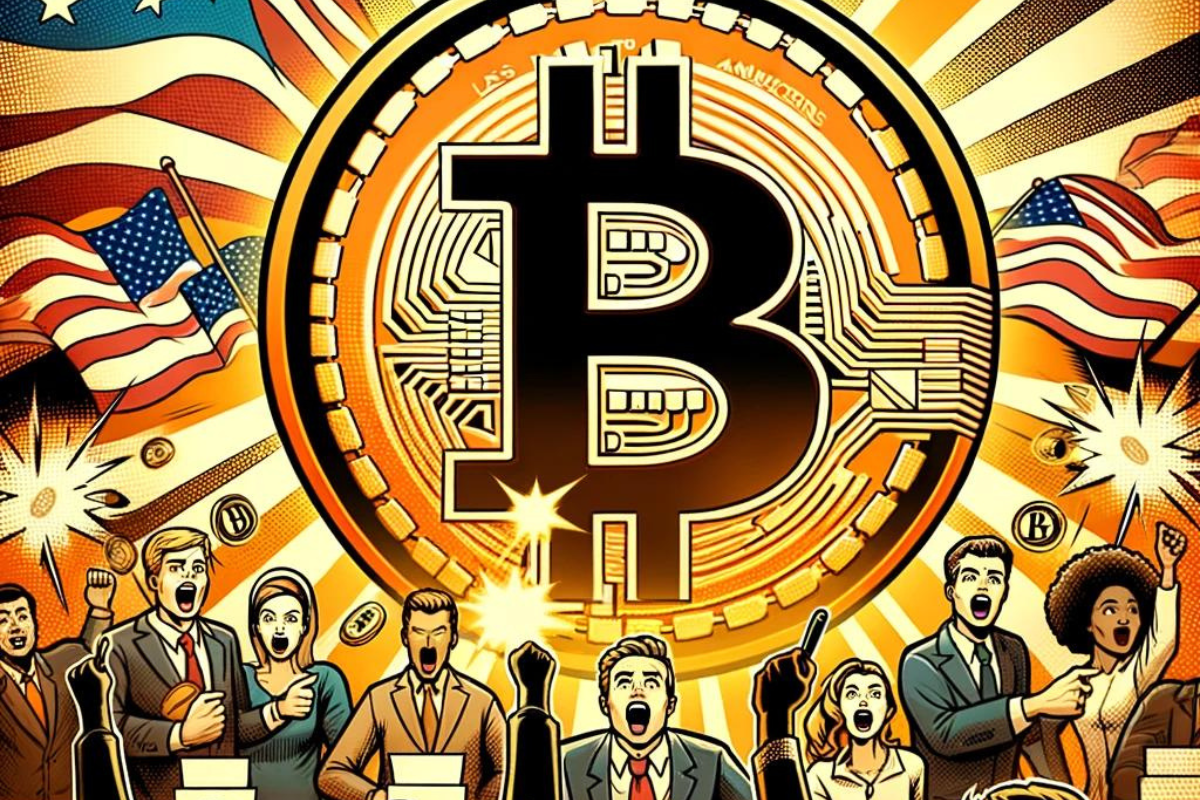
As inflation and geopolitical tensions persist, cryptos are growing in popularity among American voters. Nearly half of voters would now consider incorporating these assets into their portfolios. Why this renewed interest and what are its potential consequences on the financial market?
Cryptos appeal to American voters
American voters' interest in cryptos has increased significantly, driven by geopolitical tensions and rising inflation. According to a recent Grayscale study, 47% of voters expect to include cryptos in their portfolios, up from 40% at the end of last year. This rise in popularity of these assets and more specifically bitcoin is largely due to their perception as a hedge against inflation and a reliable alternative to traditional financial systems, which are perceived as unstable in times of economic uncertainty.
This change in behavior is particularly observed among younger generations and minority communities, who are seeking innovative solutions to protect their financial future. Bitcoin, often referred to as digital gold, is seen as a potentially safe store of value in times of crisis. Bitcoin's growing popularity reflects increased awareness of the benefits offered by cryptos and a growing desire to protect against unpredictable economic fluctuations.
Other factors leading to this renewed interest
In addition to inflation and geopolitical tensions, several other factors are behind this increase in interest in cryptos according to the Grayscale survey. These include the latest events related to the queen of cryptos. One of the most notable events was the approval of the first Bitcoin Spot ETF in the United States in January 2024. This ETF offers investors a simplified method of accessing bitcoin without the complexities of owning it directly.
By making bitcoin more accessible to institutional and retail investors, this approval not only legitimized the crypto, but also increased market confidence in its stability and reliability. This move by US regulators has boosted demand and attracted a new segment of investors who now see bitcoin as a reliable component of their financial portfolios.
Another key factor is the April 2024 halving which halved mining rewards and decreased the rate of new bitcoin creation. This reduction in supply, coupled with increasing demand, has historically led to a significant increase in the price of bitcoin. Anticipation of this event has attracted many investors looking to take advantage of the scarcity dynamic, further boosting interest and engagement in bitcoin. These two events therefore strongly contributed to the increase in voter interest in crypto in 2024.
The increase in voter interest in crypto suggests a shift toward broader adoption. In the future, this could lead to significant developments in financial regulations and technological innovation, thereby shaping the digital economy in a sustainable way.
Maximize your Tremplin.io experience with our 'Read to Earn' program! For every article you read, earn points and access exclusive rewards. Sign up now and start earning benefits.
Click here to join 'Read to Earn' and turn your passion for crypto into rewards!


