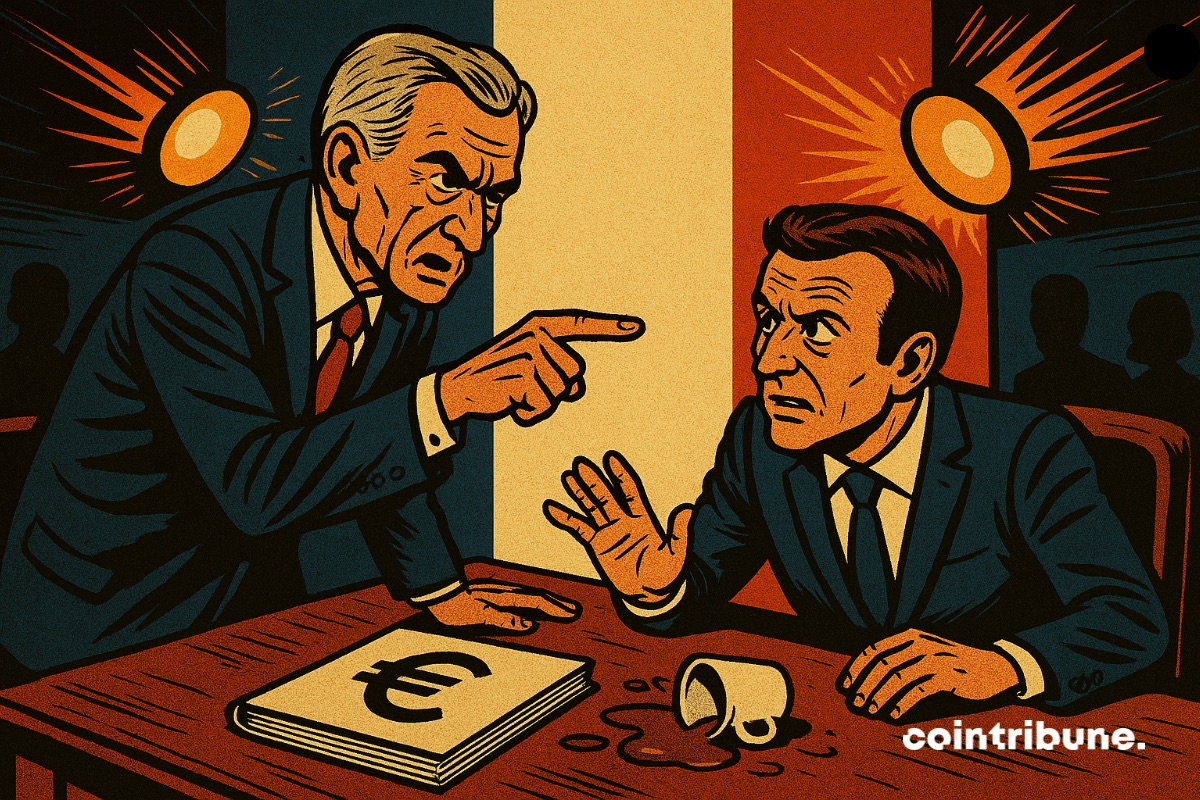
Bernard Arnault, CEO of LVMH, forcefully reaffirmed his opposition to the growing intervention of the State in the management of private companies. This criticism sheds light on a crucial debate in France on the limits of the state role in an economic context already marked by international tensions and disputed tax choices.
In short
- Bernard Arnault criticizes the growing interference of the State in business management.
- Bernard Arnault warns against the fiscal surcharges of the 2025 budget, which could encourage relocation and weaken the French economy.
- This situation creates a crucial debate on the balance between state regulation, freedom of entrepreneurship and economic impact.
Bernard Arnault denounces state interference in business management
Questioned in the Senate on the call to economic patriotism launched by Emmanuel Macron who completely ruined France, Bernard Arnault judged that the interference of the State in the operational management of companies was ” very bad ” And leads to disaster . For him, this interference disrupts strategic decision -making, weakens competitiveness and weakens economic dynamics.
This position underlines a deep fracture in France between the government and large companies, which demand more freedom to adapt to global challenges. The LVMH boss therefore opposes the government injunction to suspend French investments in the United States in the face of American customs duties.
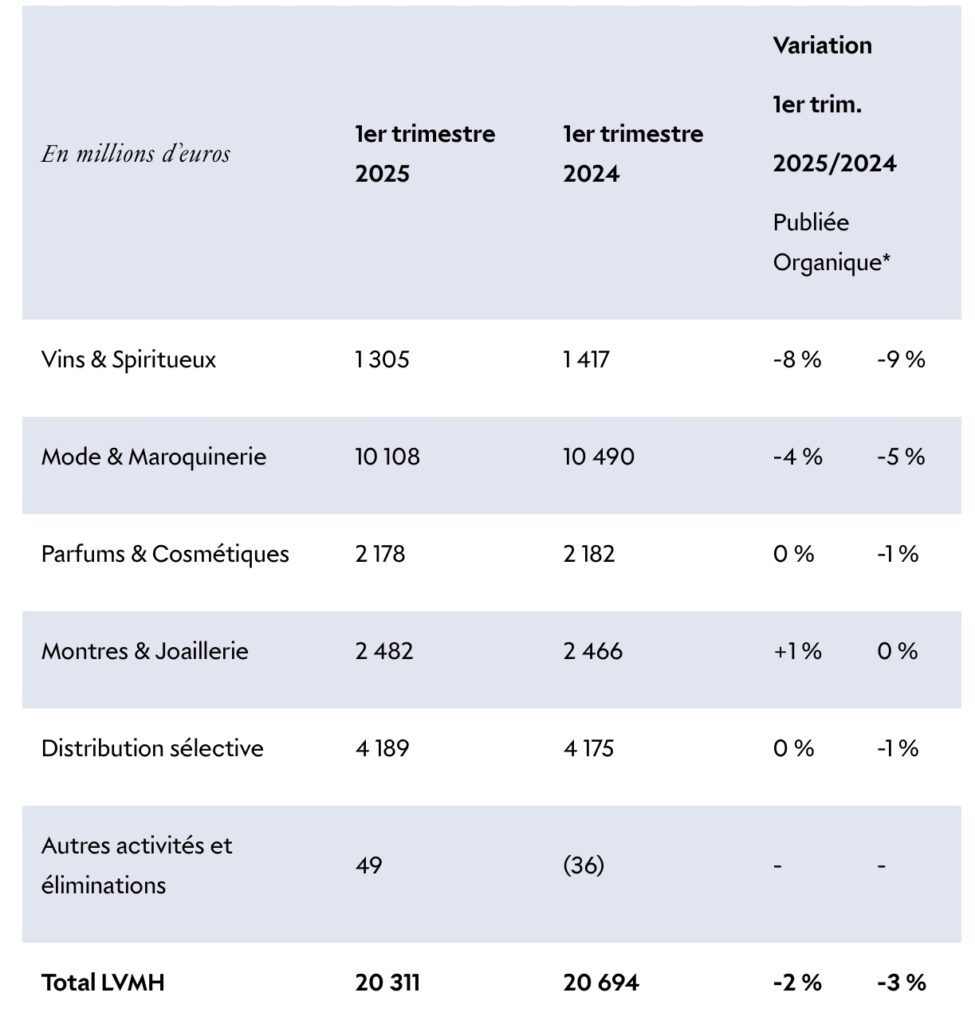
LVMH has had several workshops across the Atlantic for decades, a defensive strategy that Arnault considers an asset. This international implantation allows him to withstand economic uncertainty, as shown by Good resilience displayed by LVMH in the first quarter of 2025. This, despite:
- A 3 % drop in turnover in the first quarter of 2025;
- A notable contraction in wines & spirits segments (-9 %) and fashion & leather goods (-5 %).
Arnault believes that forcing companies to limit their international establishment would be counterproductive. In addition, this would harm their growth in a globalized context.
France: Taxation and surcharge – risky levers that can slow the economy
Bernard Arnault has already criticized the tax measures provided for in the 2025 budget! In particular, the surcharge targeting large companies. He sees in this tax pressure a factor encouraging relocation, with deleterious effects on attractiveness and possibly the economy of France.
The French tax measures envisaged in the 2025 budget, in particular a surcharge for large companies, are an incentive to relocate.
The planned surcharge risks:
- Increase production costs;
- Reduce business margins;
- Encourage the search for more favorable jurisdictions.
This fiscal pressure, coupled with state interference, can accelerate relocations, causing:
- Industrial job losses;
- A decline in national competitiveness.
The luxury sector, a pillar of the French economy, perfectly illustrates these risks. Regulatory uncertainty therefore slows down investments, threatens the sustainability of the sectors and negatively impacts employment as well as the trade balance. In addition, this break could push companies and individuals to turn to alternative assets such as Bitcoin. Queen Crypto is perceived as a reserve of decentralized value in the face of economic risks.
Bernard Arnault's firm position illustrates a major challenge: reconciling state and freedom regulation in an unstable economy. Will France be able to find the balance between control and innovation? This debate intensifies while some evoke the possibility for the State to requisition the savings of the French in order to mop up public debt, raising new questions about the limits of state intervention.
Maximize your Cointribne experience with our 'Read to Earn' program! For each article you read, earn points and access exclusive rewards. Sign up now and start accumulating advantages.