WLFI is going through a crisis of confidence. The crypto project linked to the Trump family is accused of favoring private buyers while its first investors remain largely blocked.
In brief
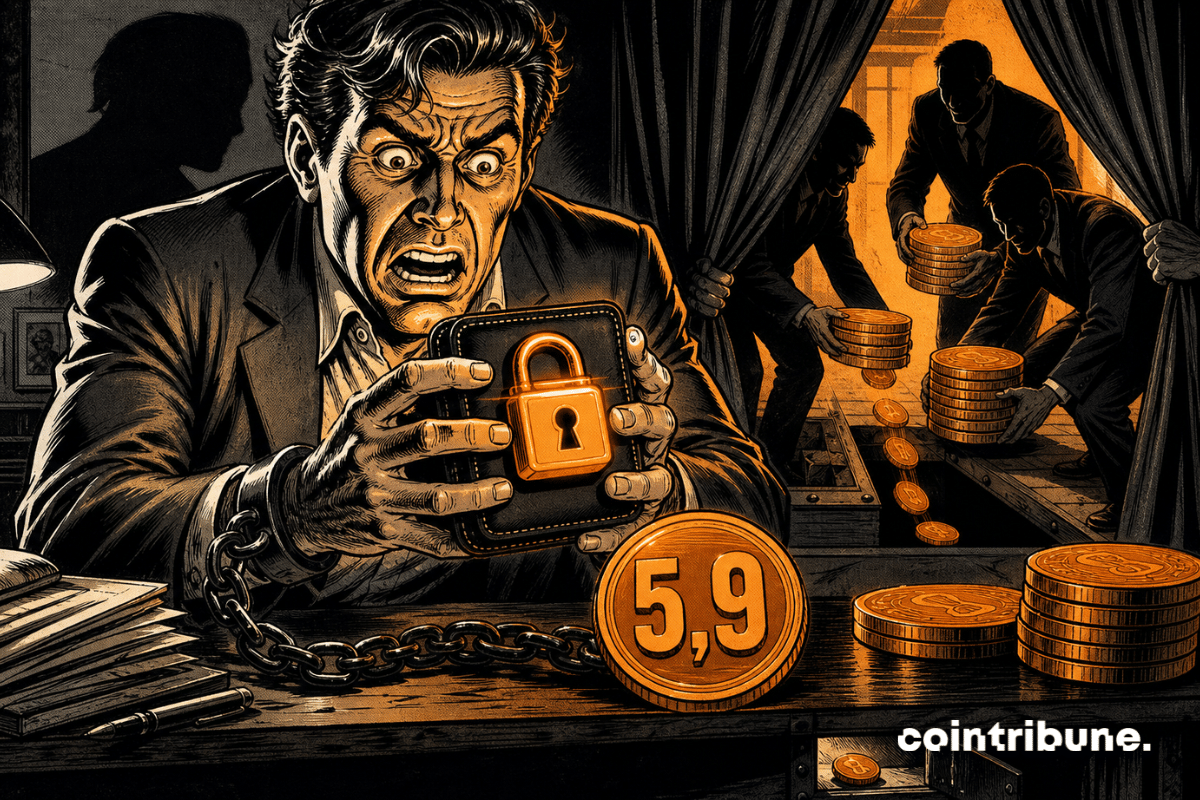
- WLFI has sold 5.9 billion tokens to private buyers.
- The first investors remain stuck on a large part of their assets.
- The governance of the Trump-linked crypto project is now under great pressure.
A private sale that breaks trust
The WLFI crypto plunges into controversy after the sale of 5.9 billion tokens to accredited private investors. This operation took place after two public fundraisings which had already brought in more than $550 million for the World Liberty Financial project. So the problem is not just sales. It's its opacity. The buyers of the crypto were not named, and the exact terms were not clearly presented to early investors.
This shift creates a brutal impression. The old investors took the risk at the beginning. But other actors seem to have obtained separate access, in a more discreet setting. In crypto, this kind of divide is quickly paid for. The market does not only sanction dilution. Above all, it punishes the feeling of injustice.
The fall of the WLFI reflects this tension. According to Crypto Briefing, the token fell below $0.056 after the revelations, hitting a new all-time low. The decline is not just a technical movement. It looks like a vote of no confidence against the governance of the project.
Early investors get stuck
The heart of the malaise lies in token locking. Around 80% of the assets of the first investors remain blocked. A governance proposal provides for two years of freezing, then two additional years of progressive release. In other words, some investors would not be able to fully access their tokens before 2030.
This schedule changes the reading of the crypto file. A public investor who bought early finds himself in a fragile position. He sees the price falling. It sees new tokens circulating through private channels. But he cannot freely sell the majority of his position.
World Liberty Financial defends this logic as a way to protect the ecosystem in the long term. The argument can be heard on paper. But it becomes a tough sell when the project continues to hold private operations. Good governance is not just measured by votes. It is also measured by the fairness perceived by those who initially financed the project.
Governance under political pressure
WLFI is not a crypto like the others. Reuters describes World Liberty Financial as a crypto company co-founded by Donald Trump and his sons. The project therefore attracts immediate political attentionespecially when the financial flows benefit structures linked to the Trump family.
The most sensitive point remains the distribution of income. Sales of new tokens send 75% of proceeds to the Trump family. This structure feeds a simple question. Is WLFI building a sustainable DeFi ecosystem, or a liquidity machine for the benefit of powerful insiders? The answer is not yet clear. But the market is starting to respond. When transparency is lacking, investors fill in the blanks with their own suspicions.
WLFI can still correct the situation. But it will need more than a governance vote or defensive communication. It will be necessary to explain private sales, clarify the beneficiaries, reduce the asymmetry between investors and publish a credible roadmap on releases. Without this, the token will remain trapped in a doubt heavier than volatility.
Maximize your Tremplin.io experience with our 'Read to Earn' program! For every article you read, earn points and access exclusive rewards. Sign up now and start earning benefits.